
Leadership Overview
Duquesne University has 10 executives leading key functions including financial strategy, administrative operations, revenue generation, information technology, faculty governance, and institutional leadership.
Committed to academic excellence and community engagement, Duquesne University fosters intellectual growth through diverse undergraduate and graduate programs while maintaining a strong focus on research and professional development.
Committed to academic excellence and community engagement, Duquesne University fosters intellectual growth through diverse undergraduate and graduate programs while maintaining a strong focus on research and professional development.
Leadership Roles at Duquesne University
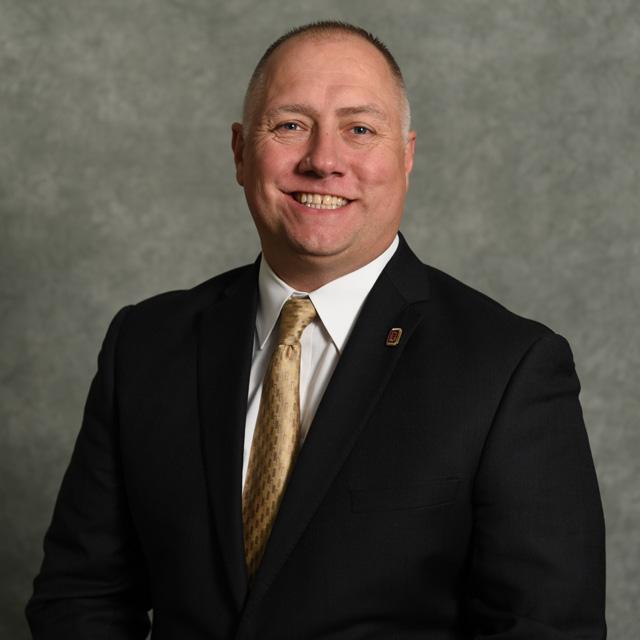
Stephen Schillo - Chief Financial Officer
Stephen Schillo, the Chief Financial Officer at Duquesne University, manages the entire fiscal health of the institution. Overseeing budgetary allocations, Schillo ensures that financial resources align with the long-term academic mission of the university. This role involves monitoring endowment performance and optimizing operational expenditures across all departments. By implementing rigorous financial controls, the Chief Financial Officer supports the expansion of undergraduate and graduate curriculum offerings. Stephen Schillo also coordinates with the Board of Trustees to present transparent financial reporting that reflects the university's commitment to sustainability. Through careful analysis of market trends and economic shifts, the Chief Financial Officer maintains the fiscal stability necessary for continued growth. This leadership position requires constant vigilance regarding institutional spending and revenue streams. Ultimately, Schillo secures the financial foundation that allows the university to thrive in a competitive higher education landscape.
Anne Burrows - Faculty Senate President
Anne Burrows, the Faculty Senate President at Duquesne University, represents the interests of the academic staff in all governance matters. Overseeing the dialogue between faculty and administration, Burrows ensures that academic standards remain at the forefront of institutional decision-making. This role involves leading discussions on curriculum development, research policies, and faculty welfare. By fostering a collaborative environment, the Faculty Senate President strengthens the shared governance model that defines the university. Anne Burrows also works closely with other academic leaders to address challenges related to teaching quality and student outcomes. Through consistent advocacy, the Faculty Senate President promotes an environment where intellectual inquiry and professional growth flourish. This leadership position requires a deep commitment to the academic mission and the ability to build consensus among diverse faculty groups. Ultimately, Burrows ensures that the voice of the faculty remains central to the strategic direction of the university.
Maurice Murphy - President
Maurice Murphy, the President at Duquesne University, provides the overarching vision and strategic direction for the entire institution. Overseeing the university's long-term growth, Murphy ensures that all academic and administrative units align with the core mission of excellence. This role involves engaging with external stakeholders, donors, and the broader community to advance the university's reputation. By setting institutional priorities, the President drives the development of new degree programs and research initiatives. Maurice Murphy also manages the executive team to ensure that operational goals are met with efficiency and integrity. Through strong leadership, the President navigates the complexities of the higher education sector while maintaining the university's commitment to its founding values. This position requires a focus on both immediate operational needs and future sustainability. Ultimately, Murphy leads the university toward continued success and impact in the academic community.
Jason Garland - President
Jason Garland, the President at Duquesne University, focuses on the expansion of institutional partnerships and the enhancement of the student experience. Overseeing the implementation of strategic initiatives, Garland ensures that the university remains competitive in the evolving educational landscape. This role involves fostering innovation in curriculum design and promoting interdisciplinary research across all departments. By strengthening the university's market position, the President supports the recruitment and retention of high-caliber students and faculty. Jason Garland also coordinates with the Board of Trustees to ensure that institutional policies reflect the changing needs of the modern workforce. Through proactive leadership, the President drives the university's commitment to social responsibility and academic rigor. This position requires a balance of visionary thinking and practical execution. Ultimately, Garland secures the future of the university by championing excellence in every aspect of the academic and administrative experience.
MaryAdele Krolikowski - President, 2008-10
MaryAdele Krolikowski, the President, 2008-10 at Duquesne University, managed the institutional transition during a critical period of academic development. Overseeing the refinement of undergraduate and graduate programs, Krolikowski ensured that the university maintained its commitment to high-quality education. This role involved strengthening the university's financial position and enhancing the campus infrastructure to support growing student needs. By fostering a culture of academic excellence, the President, 2008-10 laid the groundwork for future research initiatives and community engagement. MaryAdele Krolikowski also worked to improve the university's standing within the competitive higher education market. Through strategic planning and effective communication, the President, 2008-10 addressed the challenges of the time while preserving the core values of the institution. This leadership position required a focus on stability and long-term growth. Ultimately, Krolikowski left a lasting impact on the university's academic and administrative trajectory.
Elsie Angeles - President Pro Tempore
Elsie Angeles, the President Pro Tempore at Duquesne University, manages the temporary oversight of institutional governance and administrative functions. Overseeing the continuity of leadership, Angeles ensures that all university operations proceed without disruption during transitional periods. This role involves facilitating communication between the executive team and the governing board to maintain alignment with strategic goals. By providing steady guidance, the President Pro Tempore supports the ongoing success of academic and research programs. Elsie Angeles also addresses immediate operational challenges to ensure that the university's mission remains the primary focus. Through careful management of resources and personnel, the President Pro Tempore maintains the stability of the institution. This leadership position requires a deep understanding of university policy and the ability to act decisively. Ultimately, Angeles ensures that the university continues to function effectively while preparing for future leadership transitions.
Alla Fabrikant - President
Alla Fabrikant, the President at Duquesne University, directs the strategic development of the university's academic portfolio and research capabilities. Overseeing the alignment of educational programs with industry demands, Fabrikant ensures that students receive a relevant and rigorous curriculum. This role involves building relationships with corporate partners and academic institutions to expand the university's reach. By promoting a culture of innovation, the President drives the growth of new degree programs in fields such as technology and business. Alla Fabrikant also manages the university's commitment to community service and social impact. Through effective leadership, the President ensures that the institution remains a leader in higher education. This position requires a focus on both academic quality and operational efficiency. Ultimately, Fabrikant leads the university toward a future defined by excellence, innovation, and a deep commitment to the success of every student.
Daniel Gilman - Chief of Staff
Daniel Gilman, the Chief of Staff at Duquesne University, coordinates executive communications and streamlines administrative workflows across the campus. Managing the daily operations of the president's office, Gilman ensures that strategic initiatives receive proper attention from all relevant stakeholders. This role involves facilitating collaboration between academic departments and administrative units to improve institutional efficiency. By aligning internal processes with the broader goals of the university, the Chief of Staff drives organizational cohesion. Daniel Gilman also manages high-level projects that impact the university's reputation and operational effectiveness. Through proactive problem-solving and clear communication, the Chief of Staff mitigates risks and enhances the overall student experience. This position requires deep understanding of university policy and a commitment to operational excellence. Ultimately, Gilman supports the executive team by ensuring that all administrative functions operate in harmony with the core mission of the institution.
Bryan Colonna - Senior Associate Athletic Director, Chief Revenue Officer
Bryan Colonna, the Senior Associate Athletic Director, Chief Revenue Officer at Duquesne University, directs all commercial activities related to the athletic department. Overseeing sponsorship acquisitions and ticket sales, Colonna ensures that the athletic program generates the necessary revenue to support student-athlete success. This role involves developing marketing strategies that increase fan engagement and brand visibility across the region. By optimizing revenue streams, the Senior Associate Athletic Director, Chief Revenue Officer strengthens the financial viability of the university's sports programs. Bryan Colonna also collaborates with external partners to secure long-term funding and promotional opportunities. Through data-driven decision-making, the Senior Associate Athletic Director, Chief Revenue Officer identifies new growth areas within the competitive collegiate sports market. This leadership role requires constant innovation to maximize the impact of athletic operations. Ultimately, Colonna drives the financial performance of the department while upholding the values of the university.
Thomas Dugas - Vice President, Technology & Chief Information Officer
Thomas Dugas, the Vice President, Technology & Chief Information Officer at Duquesne University, architects the digital infrastructure that supports all academic and administrative functions. Overseeing cybersecurity protocols and network reliability, Dugas ensures that the university maintains a secure and efficient technological environment. This role involves implementing advanced software solutions that enhance the learning experience for students and faculty. By modernizing IT systems, the Vice President, Technology & Chief Information Officer supports the university's commitment to innovation in education. Thomas Dugas also manages the integration of new digital tools across various departments to improve data accessibility and operational productivity. Through strategic planning, the Vice President, Technology & Chief Information Officer aligns technology investments with the long-term goals of the institution. This leadership position requires constant adaptation to the rapidly evolving digital landscape. Ultimately, Dugas provides the technical foundation necessary for the university to excel in a modern, connected world.
Explore Leadership Teams in Colleges & Universities


St. Lawrence University is a liberal arts institution located in Canton, New York, known for its close-knit community and commitment to academic excellence. The university offers a diverse range of majors, minors, and programs, encouraging students to explore multiple areas of study and engage in real-world learning experiences such as research and internships. St. Lawrence aims to empower students through mentorship and support initiatives, preparing them for successful careers and fostering a socially aware and globally conscious student body. The university also emphasizes student involvement in campus life, hosting over 1,400 events annually and promoting a vibrant athletic culture.
Company Leadership JD
PR
HF

Founded in 1871, Geneseo is a public college in Geneseo, New York. It is part of the State University of New York (SUNY) system. The college was founded in 1871 as the Wadsworth Normal and Training School before it became a state liberal arts college in 1948.
Company Leadership SD
SS
ZB

Brigham Young University, founded in 1862, is a private, non-profit research university in Provo, Utah, United States owned by The Church of Jesus Christ of Latter-day Saints. The university's primary emphasis is on undergraduate education majors, but it also has master's and doctoral degree programs.
Company Leadership ZW
BN
HM
BG

Shanghai Jiao Tong University (SJTU) was founded in 1896 in Shanghai, China. It is known for it's research and technology and is a C9 League university and a Chinese Ministry of Education Class A Double First Class University.
Company Leadership GL
JW
ZL
RL

Frequently Asked Questions Regarding Duquesne University Top Executives and Leadership Team
