
Leadership Overview
The Smithsonian Institution has 10 executives leading key functions including strategy, operations, finance, and technology.
Committed to the preservation of endangered species, The Smithsonian Institution advances scientific research and public education through rigorous conservation programs that protect vulnerable wildlife populations across the globe.
Committed to the preservation of endangered species, The Smithsonian Institution advances scientific research and public education through rigorous conservation programs that protect vulnerable wildlife populations across the globe.
Leadership Roles at The Smithsonian Institution
David Erickson - Founder & Chief Executive Officer
David Erickson, the Founder & Chief Executive Officer at The Smithsonian Institution, directs the overarching strategic vision for wildlife conservation and scientific research. Erickson architects long-term goals focused on preventing species extinction and expanding the reach of evidence-based animal management. By aligning organizational resources with ecological priorities, the Founder & Chief Executive Officer ensures that all conservation initiatives maintain high standards of scientific rigor. This leadership role involves constant collaboration with the Board to secure funding for field studies and collaborative protection efforts. David Erickson drives the expansion of breeding programs, ensuring that the facility remains a premier center for biodiversity. Through active engagement with global conservation partners, the Founder & Chief Executive Officer strengthens the impact of the organization on international wildlife protection. Ultimately, Erickson secures the future of the institution by balancing public education mandates with critical research objectives.
Ronald Cortez - Chief Financial Officer, Undersecretary of Finance & Administration
Ronald Cortez, the Chief Financial Officer, Undersecretary of Finance & Administration at The Smithsonian Institution, directs the financial strategy and administrative oversight of the organization. Cortez architects fiscal policies that fund critical conservation research and animal care programs. By managing the budget for field studies and collaborative initiatives, the Chief Financial Officer, Undersecretary of Finance & Administration ensures that the institution maintains its commitment to scientific excellence. This leadership role involves reporting to the Board on financial health and resource utilization. Ronald Cortez drives the development of sustainable funding models that support the long-term protection of endangered species. Through rigorous financial planning, the Chief Financial Officer, Undersecretary of Finance & Administration secures the capital necessary for facility maintenance and technological upgrades. By aligning fiscal priorities with the institutional mission, Cortez enables the organization to continue its vital work in wildlife conservation.
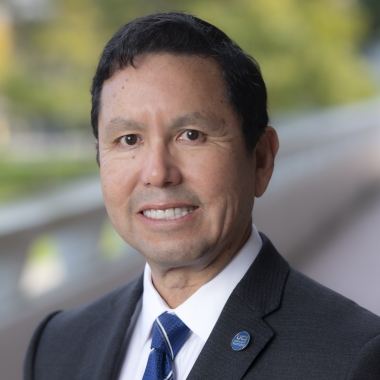
Meroe Park - Deputy Secretary & Chief Operating Officer
Meroe Park, the Deputy Secretary & Chief Operating Officer at The Smithsonian Institution, directs the administrative and operational functions that sustain the organization's conservation mission. Park architects policies that streamline internal processes, ensuring that research and public education programs receive necessary support. By overseeing the daily management of the facility, the Deputy Secretary & Chief Operating Officer maintains the balance between scientific rigor and public accessibility. This leadership role involves coordinating across departments to ensure that resources are allocated effectively toward species management. Meroe Park drives the implementation of organizational standards that promote efficiency and accountability. Through active management of institutional assets, the Deputy Secretary & Chief Operating Officer supports the long-term viability of the facility's wildlife programs. By fostering collaboration among the leadership team, Park ensures that all operational activities remain focused on the core mission of protecting vulnerable species.
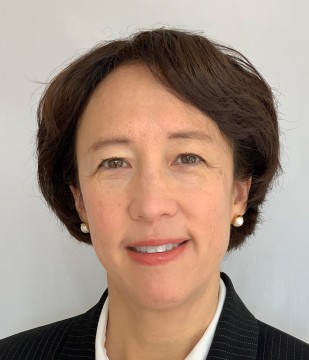
Zachary (Zack) Kahn - Chief Information Officer
Zachary (Zack) Kahn, the Chief Information Officer at The Smithsonian Institution, directs the digital infrastructure supporting scientific research and conservation data management. Kahn architects secure systems for tracking animal genetics, behavior patterns, and field study results. By implementing advanced data analytics, the Chief Information Officer enables researchers to make evidence-based decisions regarding species management. This leadership role involves protecting sensitive ecological information while ensuring accessibility for collaborative conservation partners. Zachary (Zack) Kahn drives the modernization of internal communication platforms to facilitate seamless cooperation between departments. Through the deployment of robust cybersecurity measures, the Chief Information Officer safeguards the integrity of the institution's research archives. By leveraging technology to enhance public education efforts, Kahn ensures that the organization effectively communicates its mission to a global audience, thereby supporting the long-term sustainability of wildlife protection initiatives.

Carmen Iannacone - Chief Technology Officer
Carmen Iannacone, the Chief Technology Officer at The Smithsonian Institution, oversees the development of specialized hardware and software solutions for wildlife monitoring. Iannacone architects technical frameworks that support field studies and remote tracking of endangered species. By integrating innovative sensor technologies into the facility's research programs, the Chief Technology Officer enhances the precision of ecological data collection. This leadership role involves managing the technical staff responsible for maintaining the institution's complex research equipment. Carmen Iannacone drives the adoption of emerging technologies to improve the efficiency of breeding programs and animal care monitoring. Through strategic partnerships with technology providers, the Chief Technology Officer ensures that the organization remains at the forefront of zoological science. By aligning technical capabilities with conservation goals, Iannacone supports the institution's mission to prevent extinction through the application of cutting-edge scientific tools and methodologies.

Porter Wilkinson - Counselor and Chief of Staff To the Regents
Porter Wilkinson, the Counselor and Chief of Staff To the Regents at The Smithsonian Institution, directs the governance and policy framework that guides the organization's conservation efforts. Wilkinson architects communication strategies between the leadership team and the Board of Regents to ensure alignment on strategic goals. By managing the regulatory and legal aspects of wildlife research, the Counselor and Chief of Staff To the Regents protects the institution's interests and reputation. This leadership role involves facilitating high-level decision-making processes that impact the future of the facility. Porter Wilkinson drives the development of institutional policies that uphold the commitment to scientific rigor and evidence-based practices. Through careful coordination of board activities, the Counselor and Chief of Staff To the Regents ensures that the organization remains focused on its mission to prevent extinction. By providing strategic counsel, Wilkinson supports the overall effectiveness of the institution's conservation programs.
Janet Abrams - Director, Strategic Initiatives & Chief Information Officer, Office of
Janet Abrams, the Director, Strategic Initiatives & Chief Information Officer, Office of at The Smithsonian Institution, directs the planning and execution of long-term growth projects. Abrams architects initiatives that expand the institution's reach in wildlife conservation and public education. By overseeing the integration of information systems within these strategic projects, the Director, Strategic Initiatives & Chief Information Officer, Office of ensures that data-driven insights inform all new developments. This leadership role involves identifying opportunities for collaborative research and enhancing the facility's impact on global biodiversity. Janet Abrams drives the alignment of strategic goals with the organization's core mission of protecting endangered species. Through the management of cross-functional teams, the Director, Strategic Initiatives & Chief Information Officer, Office of facilitates the successful launch of new conservation programs. By focusing on innovation, Abrams ensures that the institution remains a leader in the field of zoological science.
George Van Dyke - Acting Chief Information Officer
George Van Dyke, the Acting Chief Information Officer at The Smithsonian Institution, directs the maintenance and optimization of the organization's digital research platforms. Van Dyke architects solutions for managing the vast collections of ecological data generated by field studies. By ensuring the reliability of information systems, the Acting Chief Information Officer supports the daily operations of the research and conservation teams. This leadership role involves troubleshooting technical challenges that arise during the collection and analysis of animal behavior data. George Van Dyke drives the implementation of updates to existing software to improve the efficiency of scientific workflows. Through the oversight of IT support services, the Acting Chief Information Officer maintains the connectivity required for collaborative conservation initiatives. By prioritizing the stability of the digital environment, Van Dyke enables the institution to continue its vital work in protecting vulnerable species through evidence-based research.
Heran Sereke-Brhan - Deputy Director
Heran Sereke-Brhan, the Deputy Director at The Smithsonian Institution, manages the daily execution of research programs and conservation activities. Sereke-Brhan oversees the integration of scientific data into practical animal care protocols, ensuring that the facility meets its mission of protecting endangered species. By coordinating with various research departments, the Deputy Director optimizes the efficiency of field studies and collaborative initiatives. This leadership role requires constant monitoring of animal behavior and genetic health to inform management decisions. Heran Sereke-Brhan drives the implementation of new conservation strategies that address ecological crises affecting native mammals. Through rigorous oversight of departmental workflows, the Deputy Director maintains the high standards of evidence-based practice expected of the organization. By fostering a culture of scientific inquiry, Sereke-Brhan supports the broader institutional goal of preventing extinction through actionable research and public engagement.
Toby Mensforth - Deputy Director
Toby Mensforth, the Deputy Director at The Smithsonian Institution, directs the operational logistics of the zoological facility and its diverse animal collections. Mensforth architects systems for maintaining the health and welfare of native mammals, including bison, deer, and lynx. By supervising the staff responsible for daily animal care, the Deputy Director ensures that all practices align with modern conservation biology standards. This leadership role involves managing the infrastructure required for both public exhibition and private research environments. Toby Mensforth drives improvements in habitat design and enrichment programs to support the psychological and physical needs of the animals. Through careful resource allocation, the Deputy Director optimizes the facility's capacity for housing and breeding vulnerable species. By coordinating with scientific teams, Mensforth ensures that operational activities directly contribute to the overarching mission of wildlife preservation and ecological research.
Explore Leadership Teams in Related Industries


Firehouse Subs is a fast casual restaurant chain founded in 1994 in Jacksonville, Florida, specializing in steamed hot submarine sandwiches featuring premium meats and cheeses. The company operates through a franchise model with over 1,000 locations across North America, including the United States, Canada, and Puerto Rico. Firehouse Subs distinguishes itself in the restaurant industry with its unique steaming method that enhances flavor profiles and its firefighter-themed branding. The company maintains a commitment to public safety through its Firehouse Subs Public Safety Foundation, which supports first responders. As a growing franchise in the hospitality sector, Firehouse Subs provides comprehensive operational support systems for franchisees, including training programs, development expertise, and marketing assistance.
Company Leadership RS
CB

Subway is a global quick-service restaurant brand specializing in made-to-order sandwiches, salads, wraps, and related menu items. Founded in 1965, the company operates more than 37,000 restaurants in over 100 countries and territories, primarily through franchised locations. Subway is one of the world's largest restaurant franchise systems.
Company Leadership
JY
PS

tiket.com is a comprehensive travel application that allows users to book flights, trains, hotels, car rentals, and exciting tours all in one place. The platform caters to travelers looking for convenient and affordable options for their holiday needs. With a wide range of services and promotional offers, tiket.com aims to make travel planning easy and enjoyable for its clients. The company partners with various transportation providers and accommodation services to ensure a seamless travel experience.
Company Leadership RP
GE
JK

Expedia Cruises specializes in providing exceptional cruise vacation experiences, offering clients the opportunity to find and book their dream getaways at competitive prices. They cater to a wide range of destinations and cruise lines, including popular options like Carnival, Disney, and Royal Caribbean. In addition to cruises, they also offer all-inclusive vacations, group travel, and guided tours. Their services are designed for travelers seeking value and expert advice in planning their vacations.
Company Leadership PR
TS
SS

Frequently Asked Questions Regarding The Smithsonian Institution Top Executives and Leadership Team

Unlock more people and company data
