
Leadership Overview
Stanford University has 10 executives leading key functions including ambulatory services, administrative operations, financial management, digital solutions, and human resources.
Renowned for interdisciplinary research and entrepreneurial spirit, Stanford University fosters academic excellence and innovation to address complex global challenges through its diverse research and teaching programs.
Renowned for interdisciplinary research and entrepreneurial spirit, Stanford University fosters academic excellence and innovation to address complex global challenges through its diverse research and teaching programs.
Leadership Roles at Stanford University
Chantal Volel-Torres - Senior VP, CAO of Ambulatory Services & Chief Executive Officer, Packard Children's Health Alliance
Chantal Volel-Torres, the Senior VP, CAO of Ambulatory Services & Chief Executive Officer, Packard Children's Health Alliance at Stanford University, directs clinical operations across the regional network. Volel-Torres manages the integration of outpatient care delivery, ensuring that patient access remains a top priority within the broader academic medical framework. By aligning clinical workflows with institutional research goals, the Chief Executive Officer optimizes resource allocation for pediatric health initiatives. Volel-Torres oversees complex administrative structures, facilitating seamless communication between faculty practitioners and hospital leadership. This role requires constant evaluation of service quality metrics to maintain high standards of care. Through strategic oversight of ambulatory expansion, Chantal Volel-Torres strengthens the connection between specialized medical services and the community. Volel-Torres drives operational efficiency, ensuring that the alliance meets the evolving needs of patients while supporting the university's mission of excellence in medical education and clinical practice.

Tracy McClain - Chief Financial Officer & Administrator
Tracy McClain, the Chief Financial Officer & Administrator at Stanford University, manages the fiscal health and administrative infrastructure of the institution. McClain oversees budget development, financial reporting, and resource allocation to support the university's extensive research and teaching activities. By implementing rigorous financial controls, the Chief Financial Officer ensures the sustainability of long-term academic projects. McClain directs administrative functions that underpin the daily operations of the campus, fostering an environment conducive to scholarly inquiry. This role involves close collaboration with department heads to align financial strategies with institutional priorities. Tracy McClain monitors economic trends and funding opportunities, securing the necessary capital to advance the university's mission. Through careful oversight of fiscal policies, McClain maintains the integrity of the institution's financial systems. The Chief Financial Officer & Administrator provides the stability required for faculty and students to pursue groundbreaking research, ultimately reinforcing the university's position as a global leader in higher education.
Jiayan Zhao - Director, Venture Fund and Financial Analysis, Office of the Chief Financial Officer
Jiayan Zhao, the Director, Venture Fund and Financial Analysis, Office of the Chief Financial Officer at Stanford University, manages investment strategies and financial modeling for institutional initiatives. Zhao oversees the evaluation of venture opportunities, ensuring that financial decisions align with the university's long-term growth objectives. By conducting rigorous financial analysis, the Director provides the data-driven insights necessary for informed decision-making within the Office of the Chief Financial Officer. Zhao monitors market trends and investment performance, optimizing the allocation of capital to support research and innovation. This role involves collaborating with various stakeholders to assess the viability of new projects and partnerships. Jiayan Zhao develops financial frameworks that mitigate risk while maximizing returns on institutional investments. Through the strategic management of venture funds, Zhao contributes to the financial stability and entrepreneurial success of the university. The Director maintains a focus on fiscal discipline, ensuring that financial resources are effectively utilized to advance the institution's mission of academic and research excellence.
Janet Hall - Chief Financial Officer, Stanford Alumni Association
Janet Hall, the Chief Financial Officer, Stanford Alumni Association at Stanford University, manages the financial operations and fiscal strategy for the alumni organization. Hall oversees budget planning, financial reporting, and resource management to support programs that engage the global alumni community. By implementing sound financial policies, the Chief Financial Officer ensures the sustainability of initiatives that foster lifelong connections between graduates and the university. Hall directs the financial analysis of association activities, providing insights that guide strategic decision-making. This role involves collaborating with leadership to align financial resources with the association's mission of promoting university values and supporting institutional growth. Janet Hall monitors revenue streams and expenditure patterns, maintaining the fiscal health of the organization. Through the strategic management of financial assets, Hall strengthens the association's ability to serve the alumni network. The Chief Financial Officer provides the stability necessary for the association to continue its vital role in supporting the university's long-term success and global impact.
Ilir Kullolli - Digital Information Solutions Vice President & Chief Operating Officer
Ilir Kullolli, the Digital Information Solutions Vice President & Chief Operating Officer at Stanford University, architects the technological framework supporting modern research and administrative functions. Kullolli manages the deployment of digital infrastructure, ensuring that data systems remain secure and scalable for the university's diverse academic needs. By optimizing operational workflows, the Chief Operating Officer enhances the efficiency of campus-wide services. Kullolli oversees the integration of advanced information solutions, facilitating seamless access to resources for faculty and staff. This leadership role involves aligning digital strategy with the university's commitment to innovation and interdisciplinary collaboration. Ilir Kullolli monitors technological advancements, implementing tools that drive productivity and support the institution's research goals. Through the strategic management of information systems, Kullolli ensures that the university remains at the forefront of digital transformation. The Chief Operating Officer maintains a focus on operational excellence, providing the technological foundation necessary for the university to thrive in an increasingly complex global environment.
Kristina Gostic - Vice President, Ambulatory Services of Faculty Practices & Chief Operating Officer, Packard Children's Health Alliance
Kristina Gostic, the Vice President, Ambulatory Services of Faculty Practices & Chief Operating Officer, Packard Children's Health Alliance at Stanford University, manages the operational execution of outpatient clinical services. Gostic oversees the daily functions of faculty practices, ensuring that patient care delivery aligns with the highest standards of medical excellence. By streamlining clinical operations, the Chief Operating Officer improves access to specialized pediatric care across the region. Gostic coordinates with medical staff to optimize scheduling and resource utilization, enhancing the overall patient experience. This role involves developing strategies to expand service capacity while maintaining the quality of care expected at a leading research university. Kristina Gostic monitors operational performance metrics, implementing improvements that drive efficiency and support the alliance's growth. Through the effective management of ambulatory services, Gostic ensures that the university's clinical mission remains robust. The Chief Operating Officer provides the leadership necessary to sustain high-quality healthcare delivery within the competitive landscape of the Bay Area.
Richard Majzun - President & Chief Operating Officer
Richard Majzun, the President & Chief Operating Officer at Stanford University, directs the overarching operational strategy for the health system. Majzun oversees the integration of clinical, research, and educational functions to ensure a cohesive approach to patient care. By driving organizational efficiency, the Chief Operating Officer supports the university's mission to provide world-class medical services. Majzun manages complex administrative structures, facilitating collaboration between clinical departments and academic leadership. This role involves setting strategic goals that enhance the institution's market position and operational capacity. Richard Majzun monitors performance across all service lines, implementing initiatives that improve quality and safety outcomes. Through the strategic oversight of operations, Majzun ensures that the university remains a leader in pediatric health and medical innovation. The President & Chief Operating Officer maintains a focus on long-term sustainability, fostering an environment where clinical excellence and research discovery thrive together to benefit the community and the broader healthcare industry.
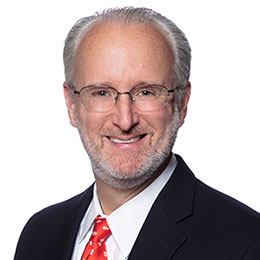
Amanda Leland - Chief of Staff
Amanda Leland, the Chief of Staff at Stanford University, coordinates executive priorities and facilitates cross-departmental collaboration. Leland manages the flow of information to the leadership team, ensuring that strategic initiatives align with the university's long-term research and educational objectives. By streamlining decision-making processes, the Chief of Staff enables the administration to respond effectively to institutional challenges. Leland oversees the implementation of high-level projects, maintaining focus on operational efficiency and organizational health. This position involves frequent interaction with various academic and administrative units to ensure cohesion across the campus. Amanda Leland monitors progress on key performance indicators, providing the necessary support to maintain momentum on critical university goals. Through meticulous planning and coordination, Leland ensures that the executive office functions as a catalyst for innovation. The Chief of Staff maintains a clear vision for institutional growth, supporting the university's commitment to interdisciplinary problem solving and academic leadership.
Marcie Atchison - Senior Vice President and Chief Human Resources Officer
Marcie Atchison, the Senior Vice President and Chief Human Resources Officer at Stanford University, leads the development and implementation of talent management strategies. Atchison oversees recruitment, retention, and professional development programs designed to attract top-tier faculty and staff. By fostering an inclusive and high-performing culture, the Chief Human Resources Officer ensures that the university maintains its competitive edge in research and education. Atchison manages organizational design initiatives, aligning human capital with the institution's strategic objectives. This role involves navigating complex labor relations and promoting employee engagement across diverse departments. Marcie Atchison monitors workforce trends, implementing policies that support the well-being and productivity of the university community. Through the strategic management of human resources, Atchison strengthens the foundation of the institution's intellectual capital. The Chief Human Resources Officer provides the leadership necessary to cultivate a vibrant, diverse, and innovative workforce, ultimately supporting the university's commitment to excellence in all academic and administrative endeavors.
Craig Perkins - Associate Chief Information Officer
Craig Perkins, the Associate Chief Information Officer at Stanford University, supports the development and maintenance of the university's digital infrastructure. Perkins oversees specific technology initiatives that enhance research capabilities and administrative efficiency. By managing the implementation of secure and reliable information systems, the Associate Chief Information Officer ensures that faculty and students have access to the tools required for academic success. Perkins coordinates with IT leadership to align technology projects with the university's broader strategic goals. This role involves troubleshooting complex technical challenges and optimizing network performance across the campus. Craig Perkins monitors emerging technologies, integrating solutions that drive innovation and support the institution's commitment to interdisciplinary problem solving. Through the effective management of information technology resources, Perkins strengthens the digital foundation of the university. The Associate Chief Information Officer maintains a focus on operational reliability, ensuring that the technological environment remains robust and responsive to the evolving needs of the academic community.
Explore Leadership Teams in Colleges & Universities


Butler University integrates liberal arts with professional education. Butler's vision seeks to create a community of students and faculty that learn by doing and strives to create a community that values hard work as an essential building block for success. The university was founded in 1855 and is headquartered in Indianapolis, Indiana.
Company Leadership BS
NG
AP
WS

Eastern Kentucky University is a regional, coeducational, public institution of higher education offering general and liberal arts programs, pre-professional and professional training in education and various other fields at both the undergraduate and graduate levels. Located in Richmond, Madison County, Kentucky,
Company Leadership MS
SP
TJ
JW

Founded in 1967, Illinois Central College is a large Illinois community college with its largest campus in East Peoria, Illinois. The college is based in Peoria, Illinois.
Company Leadership JR
SQ
JE
DC

BUITEMS is an educational institution that offers innovative programs in IT, Engineering, Management, and Arts, aimed at preparing graduates for global challenges. The university emphasizes academic excellence, integrity, and research-driven solutions, catering primarily to students seeking higher education. With multiple campuses and a diverse range of undergraduate and graduate programs, BUITEMS serves a large student body and boasts a significant alumni network. The institution is committed to quality education and has been recognized in various global university rankings.
Company Leadership SA
UK

Frequently Asked Questions Regarding Stanford University Top Executives and Leadership Team

Unlock more people and company data
