
Leadership Overview
Saint Louis Zoo has 5 executives leading key functions including strategic oversight, financial management, business operations, facility management, and conservation leadership.
Dedicated to wildlife preservation, Saint Louis Zoo advances global conservation initiatives while providing immersive educational experiences for diverse audiences through its extensive animal care programs and research efforts.
Dedicated to wildlife preservation, Saint Louis Zoo advances global conservation initiatives while providing immersive educational experiences for diverse audiences through its extensive animal care programs and research efforts.
Leadership Roles at Saint Louis Zoo
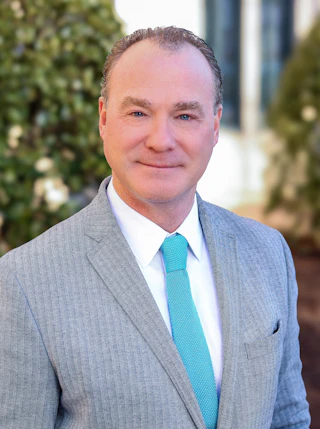
Dwight Scott - President & Chief Executive Officer
Dwight Scott, the President & Chief Executive Officer at Saint Louis Zoo, directs the overarching strategic vision for wildlife conservation and public engagement. Scott manages the long-term sustainability of the institution, ensuring that the care of over 12,000 animals remains the primary focus. By aligning departmental goals with the mission of saving endangered species, the President & Chief Executive Officer fosters collaboration across all research and educational divisions. This leadership role involves representing the organization to global conservation partners and local stakeholders to secure necessary resources. Through rigorous oversight of institutional growth, Dwight Scott maintains the high standards required for modern zoological excellence. The President & Chief Executive Officer drives initiatives that connect visitors with wildlife, ultimately strengthening the impact of the zoo on global biodiversity and habitat protection efforts.
Kathy Tisone - Vice President, Finance & Chief Financial Officer
Kathy Tisone, the Vice President, Finance & Chief Financial Officer at Saint Louis Zoo, manages the fiscal health and budgetary planning required to support extensive animal care and conservation research. Tisone oversees the allocation of capital for infrastructure projects and educational programming, ensuring financial stability across all departments. By analyzing revenue streams from visitor services and philanthropic contributions, the Vice President, Finance & Chief Financial Officer optimizes resource distribution to maximize the impact of conservation initiatives. This role requires close coordination with the executive team to balance operational costs with the ambitious goals of the institution. Kathy Tisone maintains rigorous financial controls, providing the necessary foundation for the zoo to continue its mission of saving species. The Vice President, Finance & Chief Financial Officer secures the economic future of the organization through disciplined fiscal management and strategic investment in wildlife protection.
Stephen Barth - Vice President, Bus Operations and Chief Financial Officer
Stephen Barth, the Vice President, Bus Operations and Chief Financial Officer at Saint Louis Zoo, directs the logistical frameworks and revenue-generating business units that sustain daily operations. Barth manages the complex supply chains and visitor service logistics necessary to support the zoo's expansive campus and educational offerings. By streamlining operational workflows, the Vice President, Bus Operations and Chief Financial Officer ensures that resources reach animal care teams efficiently. This leadership role involves integrating commercial activities with the core mission of wildlife conservation to generate sustainable funding. Stephen Barth monitors operational performance metrics to identify opportunities for cost reduction and service improvement. The Vice President, Bus Operations and Chief Financial Officer drives the logistical success of the institution, ensuring that every visitor experience contributes directly to the broader goals of habitat protection and public education.
William Boever - Director & Chief Operating Officer
William Boever, the Director & Chief Operating Officer at Saint Louis Zoo, executes the daily management of animal welfare protocols and facility maintenance. Boever oversees the technical operations of the zoo, ensuring that habitats meet the highest standards for endangered species. By coordinating with veterinary and husbandry teams, the Director & Chief Operating Officer maintains the health and safety of the animal collection. This role involves managing the physical infrastructure and operational safety standards that allow for public access and educational programming. William Boever drives the implementation of best practices in zoological management, ensuring that the institution remains a leader in animal care. The Director & Chief Operating Officer supports the mission by fostering an environment where research and conservation can thrive, directly impacting the success of global efforts to protect wildlife and their natural habitats.
Jeffrey Bonner - President of Saint Louis Zoo
Jeffrey Bonner, the President of Saint Louis Zoo at Saint Louis Zoo, leads the institutional commitment to scientific research and global conservation partnerships. Bonner directs the development of educational programs that engage families and school groups in the importance of biodiversity. By fostering relationships with international wildlife organizations, the President of Saint Louis Zoo expands the reach of the institution's conservation efforts beyond local borders. This leadership role involves shaping the long-term research agenda to address the most pressing threats to endangered species. Jeffrey Bonner ensures that the zoo remains a hub for scientific discovery and public learning. The President of Saint Louis Zoo drives the strategic expansion of conservation initiatives, ensuring that the organization continues to play a vital role in protecting animals and their habitats on a global scale through innovation and dedicated advocacy.
Explore Leadership Teams in Related Industries


Founded in 1998, Taziki's Mediterranean Café is a franchised chain of Mediteranean and Greek-style cuisine. Tazikis is headquartered in Birmingham, AL.
Company Leadership DS

PT
LE

Barry's operates a specialized fitness training platform that combines high-intensity interval training with strength conditioning to deliver comprehensive workout experiences. The company has built its reputation by focusing on structured, results-driven fitness methodologies that integrate cardiovascular endurance work with targeted resistance training. This dual-focus approach addresses the growing demand for efficient, time-optimized fitness solutions that produce measurable physical improvements. The company's training programs emphasize personalized coaching and community engagement, creating an environment where participants progress through carefully designed workout sequences. Barry's instructors work with clients across varying fitness levels, adapting intensity and complexity to match individual capabilities and goals. This scalable approach has enabled the company to serve a diverse clientele seeking sustainable fitness improvements rather than temporary solutions. Barry's operates through a network of fitness facilities offering both group classes and personalized training sessions. The company leverages modern fitness technology and evidence-based training principles to optimize workout effectiveness. By maintaining focus on quality instruction, equipment maintenance, and facility standards, Barry's has cultivated a loyal participant base that values consistency and measurable progress.
Company Leadership JG
SC


The YMCA of Greater Grand Rapids is dedicated to building a healthier community through programs focused on youth development, healthy living, and social responsibility. They offer a wide range of services including fitness programs, child care, wellness initiatives, and summer camps. Their intended clients include families, children, and individuals seeking to improve their health and well-being. The organization operates multiple locations to serve the community effectively.
Company Leadership SL
JS
DP
II

OTO Development LLC operates as a homebuilders. The Company provides hotel development and management services, as well as offers labor analysis on a weekly basis, profit and loss on a monthly basis, social media and reputation monitoring, and budgeting and forecasting services. OTO Development serves customers worldwide.
Company Leadership
JB


Frequently Asked Questions Regarding Saint Louis Zoo Top Executives and Leadership Team
