
Leadership Overview
Duke University has 10 executives leading key functions including operational management, strategic coordination, information technology, and institutional leadership.
Committed to academic excellence and global research, Duke University advances knowledge through innovative education and a comprehensive health system that integrates patient care with medical discovery.
Committed to academic excellence and global research, Duke University advances knowledge through innovative education and a comprehensive health system that integrates patient care with medical discovery.
Leadership Roles at Duke University
Mary Grace Martin - Chief Operating Officer
Mary Grace Martin, the Chief Operating Officer at Duke University, directs the internal administrative functions and operational workflows across the campus. Overseeing the integration of university services, the Chief Operating Officer ensures that academic departments receive the necessary support to maintain high research standards. This role involves streamlining resource allocation to optimize the efficiency of the health system and educational programs. By managing complex logistical frameworks, Mary Grace Martin directly impacts the university's ability to scale its research initiatives. Martin coordinates with other senior leaders to align operational goals with the broader mission of academic excellence. Through rigorous oversight of institutional processes, the Chief Operating Officer secures the stability of the university's infrastructure, enabling faculty and students to focus on groundbreaking discovery and professional development within the competitive landscape of higher education.
Kristie Barazsu - President & Chief Operating Officer
Kristie Barazsu, the President & Chief Operating Officer at Duke University, oversees the comprehensive management of the institution's academic and operational divisions. Directing the strategic vision, the President & Chief Operating Officer ensures that the university maintains its status as a top-tier research facility. This role involves balancing the needs of the health system with the requirements of undergraduate and graduate education programs. By fostering an environment of academic rigor, Kristie Barazsu drives the university's growth in medicine, law, and engineering. Barazsu coordinates with the board to implement policies that enhance the institution's global impact and research capabilities. Through the integration of administrative and academic leadership, the President & Chief Operating Officer secures the long-term sustainability of the university, ensuring that all departments contribute effectively to the overarching mission of excellence in education and medical discovery.
Thomas Denny - Chief Operating Officer Duke Human Vaccine Institute
Thomas Denny, the Chief Operating Officer Duke Human Vaccine Institute at Duke University, directs the operational and research logistics for the institute's vaccine development programs. Overseeing the laboratory infrastructure and clinical trial coordination, the Chief Operating Officer Duke Human Vaccine Institute ensures that scientific teams have the resources required for medical breakthroughs. This role involves managing complex research partnerships and securing the operational capacity needed for large-scale vaccine studies. By driving the efficiency of the institute's internal processes, Thomas Denny supports the university's mission to advance global health through innovative research. Denny coordinates with medical faculty to translate laboratory findings into clinical applications. Through the rigorous management of the institute's operations, the Chief Operating Officer Duke Human Vaccine Institute directly impacts the university's ability to address critical public health challenges and maintain its leadership in medical research.
Samantha Strasser - President
Samantha Strasser, the President at Duke University, leads the institution's overarching strategic direction and academic mission. Overseeing the university's commitment to research excellence, the President ensures that all departments maintain the highest standards of education and professional training. This role involves representing the university to global stakeholders and fostering partnerships that expand the institution's reach. By driving the development of new academic programs, Samantha Strasser supports the university's growth in medicine, law, and business. Strasser coordinates with the board and senior leadership to implement policies that enhance the university's global reputation. Through the stewardship of the institution's resources, the President secures the long-term success of the university, ensuring that the academic community continues to produce innovative research and comprehensive educational programs that address the complex needs of the modern world.
Anavi Kaul - Co-Executive President
Anavi Kaul, the Co-Executive President at Duke University, shares the responsibility for guiding the institution's strategic initiatives and academic growth. Overseeing the development of interdisciplinary programs, the Co-Executive President ensures that the university remains at the forefront of research and education. This role involves collaborating with other executive leaders to align the university's goals with the needs of the global academic community. By driving initiatives that promote innovation in medicine and engineering, Anavi Kaul supports the university's mission to provide world-class education. Kaul manages the implementation of policies that enhance the student experience and faculty research capabilities. Through the shared leadership of the institution, the Co-Executive President contributes to the university's reputation for academic excellence, ensuring that the university continues to thrive as a premier research institution with a significant global presence.
Alexandra Himmel - President
Alexandra Himmel, the President at Duke University, directs the strategic vision and academic operations of the institution. Overseeing the university's commitment to research and education, the President ensures that all departments align with the core mission of academic excellence. This role involves managing the university's global presence and fostering research partnerships that enhance the institution's impact. By driving the growth of professional education programs, Alexandra Himmel supports the university's position as a leader in medicine, law, and business. Himmel coordinates with the leadership team to implement policies that promote innovation and student success. Through the management of the university's resources, the President secures the long-term sustainability of the institution, ensuring that the university continues to provide comprehensive educational programs and groundbreaking research that address the evolving challenges of the global academic landscape.
Benjamin Kahne - President & Founder
Benjamin Kahne, the President & Founder at Duke University, provides the foundational leadership and strategic direction for the institution's academic and research initiatives. Overseeing the development of the university's core programs, the President & Founder ensures that the institution remains dedicated to its mission of academic excellence and innovative research. This role involves shaping the long-term vision for the university's growth in medicine, law, and engineering. By driving the establishment of new research partnerships, Benjamin Kahne supports the university's global presence and commitment to professional education. Kahne coordinates with the leadership team to maintain the university's high standards and reputation for excellence. Through the management of the institution's strategic goals, the President & Founder secures the university's future, ensuring that the academic community continues to produce impactful research and comprehensive educational programs.
Kelly Cuttle - Chief of Staff
Kelly Cuttle, the Chief of Staff at Duke University, manages the strategic priorities and communication flow for the executive office. Coordinating high-level initiatives, the Chief of Staff facilitates collaboration between academic departments and the health system to ensure institutional alignment. This role involves synthesizing complex data to support executive decision-making processes regarding university policy and long-term growth. By maintaining clear channels of communication, Kelly Cuttle drives the execution of key projects that define the university's global presence. Cuttle monitors the progress of cross-functional teams to ensure that all activities adhere to the core mission of research and education. Through the management of executive workflows, the Chief of Staff enhances the efficiency of the leadership team, allowing for a more agile response to the evolving needs of the global academic community and the diverse student body.
Tracy Futhey - Vice President, Information Technology & Chief Information Officer
Tracy Futhey, the Vice President, Information Technology & Chief Information Officer at Duke University, architects the digital infrastructure supporting research, teaching, and patient care. Overseeing the deployment of advanced computing resources, the Vice President, Information Technology & Chief Information Officer ensures that the university maintains a secure and scalable technological environment. This role involves integrating data analytics into the health system to improve clinical outcomes and research efficiency. By driving digital transformation, Tracy Futhey enables seamless collaboration across international campuses and research partnerships. Futhey manages the strategic implementation of enterprise software and network security to protect institutional assets. Through the modernization of IT systems, the Vice President, Information Technology & Chief Information Officer supports the university's commitment to innovation, providing the necessary tools for faculty and staff to excel in a data-driven academic landscape.
Land Elliott - Chief of Staff To the Executive Vice President
Land Elliott, the Chief of Staff To the Executive Vice President at Duke University, manages the operational agenda and strategic initiatives for the executive vice president's office. Overseeing the coordination of university-wide projects, the Chief of Staff To the Executive Vice President ensures that departmental goals align with the institution's research and educational objectives. This role involves facilitating communication between the executive leadership and various academic units to streamline decision-making. By managing the flow of information, Land Elliott drives the execution of key administrative priorities that support the university's global research partnerships. Elliott monitors the progress of critical initiatives to ensure that resources are allocated effectively across the health system and academic departments. Through the management of executive workflows, the Chief of Staff To the Executive Vice President enhances the efficiency of the leadership team, supporting the university's commitment to academic excellence.
Explore Leadership Teams in Colleges & Universities


The University of Prince Edward Island (UPEI) offers a range of undergraduate and graduate programs designed to nurture student potential and foster personal growth. It serves a diverse audience including future students, current students, international students, and community members, while maintaining a strong connection with its 29,000 alumni globally. UPEI is recognized for its significant research efforts and provides numerous benefits and engaging opportunities for alumni. The institution is committed to creating an inspiring educational environment and fostering successful careers for its students.
Company Leadership MA
TA


Holy Spirit University of Kaslik (USEK) is a private higher education institution in Lebanon offering academic programs across a broad range of disciplines. The university provides education and research through schools and faculties covering business, engineering, architecture and design, law and political sciences, medicine and medical sciences, theology, music and performing arts, nursing, and arts and sciences. USEK emphasizes American-style education, research, professional development, innovation, ethical values, and lifelong learning. It also maintains regional university centers and international academic partnerships, supporting students through educational opportunities designed for both local and global professional environments.
Company Leadership CA
MF
RM

Wagner College was founded in 1883 in Staten Island, New York. Wagner College provides educational services, events, and sports.
Company Leadership JS
JC


Dominican University of California is an education-based institution founded in 1890 and is located in San Rafael, California.
Company Leadership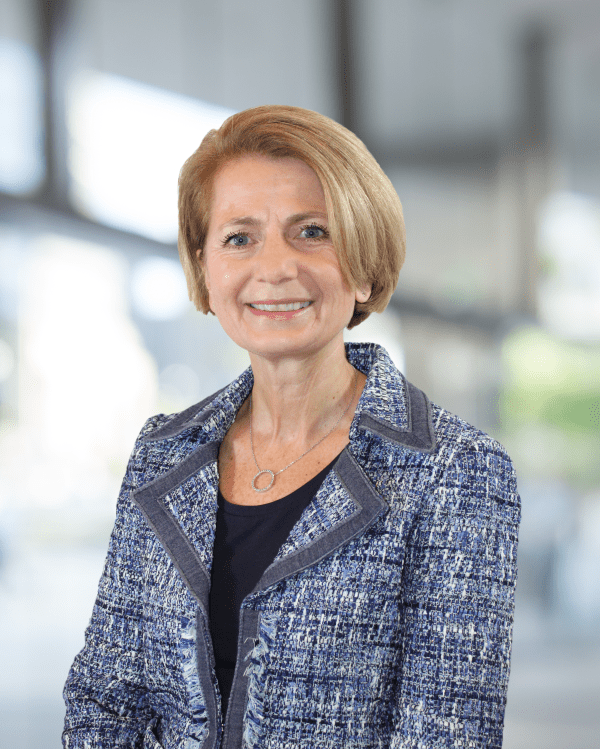
AC

Frequently Asked Questions Regarding Duke University Top Executives and Leadership Team
