
Leadership Overview
Osage Nation has 6 executives leading key functions including medical administration, executive governance, financial oversight, operational management, and staff coordination.
Committed to sovereign advancement and community prosperity, Osage Nation drives sustainable development through robust governance, cultural preservation, and the delivery of essential public services across its jurisdictional territories.
Committed to sovereign advancement and community prosperity, Osage Nation drives sustainable development through robust governance, cultural preservation, and the delivery of essential public services across its jurisdictional territories.
Leadership Roles at Osage Nation
Ronald Shaw - Chief Executive Officer & Medical Director
Ronald Shaw, the Chief Executive Officer & Medical Director at Osage Nation, directs clinical operations and healthcare strategy. Overseeing the integration of medical services with tribal health initiatives, the Chief Executive Officer & Medical Director ensures high-quality care delivery for the entire community. This leadership role involves managing complex health systems, optimizing patient outcomes, and aligning medical resources with the broader governmental mission. By implementing advanced health protocols, Ronald Shaw directly impacts the wellness of the population. Furthermore, the Chief Executive Officer & Medical Director collaborates with regional health partners to expand service accessibility. Through rigorous oversight of medical facilities, Shaw maintains compliance with federal standards while fostering innovation in tribal healthcare delivery. This position remains vital for sustaining the long-term health infrastructure and supporting the overall growth of the organization across Oklahoma.
Geoffrey Bear - Principal Chief Executive Officer
Geoffrey Bear, the Principal Chief Executive Officer at Osage Nation, directs the overarching strategic vision and governmental operations. Overseeing the executive branch, the Principal Chief Executive Officer ensures alignment between legislative mandates and public service delivery. This leadership role involves managing intergovernmental relations, driving economic development initiatives, and representing the interests of the nation on a national scale. By fostering partnerships with external stakeholders, Geoffrey Bear directly impacts the long-term prosperity of the community. Furthermore, the Principal Chief Executive Officer coordinates with department heads to streamline administrative efficiency and resource allocation. Through consistent engagement with the legislative body, Bear secures the necessary support for infrastructure projects and social programs. This position remains essential for maintaining sovereign integrity and advancing the strategic goals of the organization throughout the region.
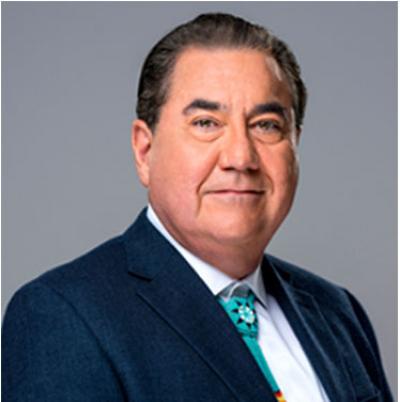
John Jech - Chief Financial Officer
John Jech, the Chief Financial Officer at Osage Nation, directs all fiscal planning, budgeting, and financial reporting activities. Overseeing the management of tribal assets and revenue streams, the Chief Financial Officer ensures the long-term economic stability of the government. This leadership role involves auditing departmental expenditures, optimizing investment strategies, and maintaining rigorous compliance with federal financial regulations. By implementing transparent accounting practices, John Jech directly impacts the fiscal health of the organization. Furthermore, the Chief Financial Officer collaborates with executive leadership to allocate funding for critical public services and infrastructure development. Through precise financial forecasting, Jech supports the expansion of economic opportunities across the territory. This position remains vital for safeguarding the financial future of the nation while ensuring that all resources align with the core mission of the government.
Lacee Reynolds - Chief of Staff
Lacee Reynolds, the Chief of Staff at Osage Nation, directs daily administrative operations and coordinates communication between executive departments. Overseeing the implementation of strategic initiatives, the Chief of Staff ensures that organizational goals receive consistent attention and resources. This leadership role involves managing internal workflows, facilitating high-level meetings, and resolving operational bottlenecks to maintain efficiency. By streamlining communication channels, Lacee Reynolds directly impacts the productivity of the executive team. Furthermore, the Chief of Staff supports the Principal Chief Executive Officer in executing policy directives and managing special projects. Through meticulous oversight of administrative staff, Reynolds fosters a culture of accountability and excellence. This position remains essential for maintaining the operational rhythm of the government and ensuring that all departments function in harmony to serve the needs of the community.
James Aldridge - Deputy Chief of Staff
James Aldridge, the Deputy Chief of Staff at Osage Nation, directs support operations and assists in the execution of complex governmental projects. Overseeing the coordination of inter-departmental tasks, the Deputy Chief of Staff ensures that administrative objectives meet established timelines and quality standards. This leadership role involves managing logistical requirements, preparing executive briefings, and providing analytical support for policy development. By optimizing internal processes, James Aldridge directly impacts the operational capacity of the executive office. Furthermore, the Deputy Chief of Staff collaborates with the Chief of Staff to implement organizational improvements and enhance service delivery. Through proactive problem-solving, Aldridge addresses emerging challenges and supports the overall mission of the government. This position remains vital for maintaining operational continuity and ensuring that the executive team possesses the necessary support to achieve strategic goals.
Tony Little - Chief Medical Officer
Tony Little, the Chief Medical Officer at Osage Nation, directs clinical quality standards and public health initiatives. Overseeing the implementation of medical programs, the Chief Medical Officer ensures that healthcare services meet the evolving needs of the community. This leadership role involves managing medical staff performance, evaluating clinical outcomes, and integrating preventative care strategies into the broader health system. By championing evidence-based practices, Tony Little directly impacts the quality of care provided to the population. Furthermore, the Chief Medical Officer collaborates with the CEO & Medical Director to refine health policies and expand service reach. Through continuous monitoring of health metrics, Little identifies opportunities for improvement and resource optimization. This position remains essential for maintaining high standards of medical excellence and ensuring that the health infrastructure supports the long-term well-being of the community.
Explore Leadership Teams in Government


Updating your records will be done at your discretion. Life-changing events such as: marriage, divorce, the birth of a child, name change and death, must be supported by legal documentation. Navajo Office of Vital Records and Identification has recognized the possibility of identity theft, impersonating an identity and false representation. NOVRIs goal is to protect the information of our tribal members, therefore all request must be notarized in order to process the request
Company Leadership EC
JP
EH
RB

The Cherokee Nation is the sovereign operating government of the Cherokee people. The community is a federally recognized tribe of Cherokee citizens, with its capital located in Tahlequah, Oklahoma.
Company Leadership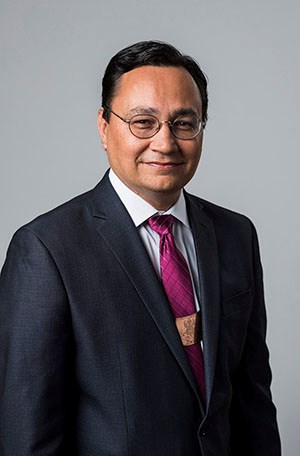
BS
KG
AM

Founded in 1993, The Tulalip Tribe is a federally recognized indian tribe. The Tulalip Tribe owns and operates several restaurants and casinos all located in Tulalip, Washington.
Company Leadership
FS
TB
WF

Yuhaaviatam of San Manuel Nation is a federally recognized Native American tribe located on the San Manuel Indian Reservation near Highland, California. Formerly known as the San Manuel Band of Mission Indians, the tribe has reclaimed its ancestral name, Yuhaaviatam, honoring the rich heritage and enduring legacy of its people. As a sovereign nation, the tribe exercises self-governance and is dedicated to providing essential services to its citizens, including the development of infrastructure, civil services, and programs that promote social, economic, and cultural growth.
Company Leadership SW

Frequently Asked Questions Regarding Osage Nation Top Executives and Leadership Team
