
Leadership Overview
Hidrovias do Brasil has 4 executives leading key functions including strategy, financial management, operational logistics, and human capital development.
Focused on sustainable waterway transportation across South America, Hidrovias do Brasil drives regional economic growth through ethical logistics solutions and innovative infrastructure development.
Focused on sustainable waterway transportation across South America, Hidrovias do Brasil drives regional economic growth through ethical logistics solutions and innovative infrastructure development.
Leadership Roles at Hidrovias do Brasil
Décio Amaral - Chief Executive Officer
Décio Amaral, the Chief Executive Officer at Hidrovias do Brasil, directs the overarching corporate strategy and long-term vision for the organization. Amaral manages the expansion of integrated logistics networks across South American waterways, ensuring alignment with sustainable growth targets. By overseeing high-level interactions with the Board and external stakeholders, the Chief Executive Officer maintains the firm's competitive edge in the grain and fertilizer markets. This leadership role involves constant evaluation of market trends to optimize asset utilization and regional connectivity. Through the implementation of rigorous operational standards, Décio Amaral secures the company's position as a leader in marine transportation. The Chief Executive Officer fosters a culture of innovation, driving the firm toward greater efficiency and social responsibility. Ultimately, Amaral guarantees the financial and operational health of the entire enterprise while navigating complex regulatory environments across multiple nations.

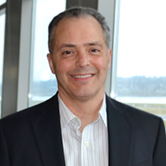
Andre Hachem - Chief Financial Officer
Andre Hachem, the Chief Financial Officer at Hidrovias do Brasil, manages the capital structure and fiscal health of the organization. Hachem oversees financial planning, reporting, and risk management to support the company's extensive waterway logistics operations. By directing investment strategies for state-of-the-art assets, the Chief Financial Officer ensures the firm maintains liquidity and profitability within the competitive South American market. This role involves close collaboration with the executive team to allocate resources effectively across Northern Brazil and the Paraguay-Paraná waterway. Andre Hachem monitors economic indicators to mitigate financial exposure while driving sustainable growth initiatives. Through precise fiscal oversight, the Chief Financial Officer provides the necessary stability for long-term infrastructure projects. Hachem maintains transparency with investors and financial institutions, ensuring the company meets all reporting requirements. Ultimately, the Chief Financial Officer secures the capital foundation required for continued expansion and operational excellence.
Harro Burmann - Chief Operating Officer
Harro Burmann, the Chief Operating Officer at Hidrovias do Brasil, directs the daily execution of complex waterway logistics and fleet management. Burmann oversees the technical performance of vessels and port facilities, ensuring seamless transport of grain and fertilizer across key South American corridors. By optimizing supply chain workflows, the Chief Operating Officer drives operational efficiency and safety standards throughout the network. This leadership role involves coordinating with regional managers to maintain high service levels along the Paraguay-Paraná waterway. Harro Burmann implements advanced maintenance protocols to maximize asset uptime and reduce environmental impact. Through the integration of innovative logistics technology, the Chief Operating Officer enhances the reliability of the entire transportation system. Burmann manages the operational budget to ensure cost-effective delivery of services. Ultimately, the Chief Operating Officer guarantees that the company meets its logistical commitments while maintaining a dominant presence in the regional market.
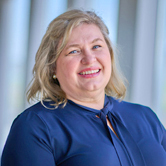
Eliana Cachuf - Chief Human Resources Officer
Eliana Cachuf, the Chief Human Resources Officer at Hidrovias do Brasil, directs the talent acquisition, development, and organizational culture initiatives. Cachuf oversees the workforce strategy to ensure the company attracts and retains top-tier professionals capable of managing complex marine logistics. By implementing comprehensive training programs, the Chief Human Resources Officer fosters professional growth and safety awareness among the staff. This leadership role involves aligning human capital goals with the broader corporate mission of social responsibility and ethical operations. Eliana Cachuf manages labor relations and performance management systems to maintain high engagement levels across all regional operations. Through the development of inclusive workplace policies, the Chief Human Resources Officer supports the diverse communities served by the firm. Cachuf drives initiatives that promote leadership development and succession planning. Ultimately, the Chief Human Resources Officer ensures the organization possesses the human capital necessary to sustain long-term operational success.
Explore Leadership Teams in Marine Shipping & Transportation


Headquartered in Portland, Oregon and established in 1891, the Port of Portland is the port district responsible for overseeing Portland International Airport, general aviation, and marine activities.
Company Leadership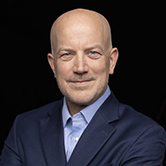

The Port of Tanjung Pelepas (PTP) is Malaysia's largest container terminal. The port delivers reliable, efficient and advanced services to major shipping lines and box operators, providing shippers in Malaysia and abroad extensive connectivity to the global market. PTP is grouped under MMC Port Holdings Sdn Bhd (MMC Ports), Malaysia's largest integrated logistics service provider. MMC Ports is a wholly-owned subsidiary of MMC Corporation Berhad, a leading utilities and infrastructure group with long standing credential and capabilities in ports & logistics, energy & utilities and engineering. Its terminal operations are backed up by state-of-the-art facilities, equipment and information technology systems linked to all port users. To date, the Port is operating with 14 berths totalling 5.04 km in linear wharf design. The port's container yard is one of the largest container storage facilities in the region with the capacity to handle up to 10.5 million TEU annually. PTP was accorded Free Zone status in March 1998 and was also appointed as a Free Zone Authority by the Government on 16 June 1999 to administer both the Commercial Free Zone and the Industrial Free Zone. PTP Free Zone provides various advantages to cargo importers and exporters and the direct connection to the port terminal also provides efficient and cost effective container movement between the Free Zone and the port, creating convenience for the container trade. PTP is also a joint venture between MMC Corporation Berhad (70%), a utilities and infrastructure group and APM Terminals (30%), a leading global ports group with a global port network in 62 countries.
Company Leadership SM
DZ

Blessey Marine Services owns and operates a multi-faceted inland tank barge and towing vessel fleet in the United States. Their primary cargoes include residual fuels, asphalt, lubricating oils, petroleum feedstocks, refined petroleum products and more.
Company Leadership
CE
BB

Wilson Sons Group, founded in 1837 and headquartered in Rio de Janeiro, Brazil, is a port and maritime logistics operator that offers supply chain solutions.
Company Leadership IG
MC
KL
Frequently Asked Questions Regarding Hidrovias do Brasil Top Executives and Leadership Team
