
Leadership Overview
CISA has 4 executives leading key functions including operations, infrastructure security, and organizational strategy.
Dedicated to national resilience, CISA advances the security of critical infrastructure through collaborative risk management and proactive defense strategies across the United States.
Dedicated to national resilience, CISA advances the security of critical infrastructure through collaborative risk management and proactive defense strategies across the United States.
Leadership Roles at CISA
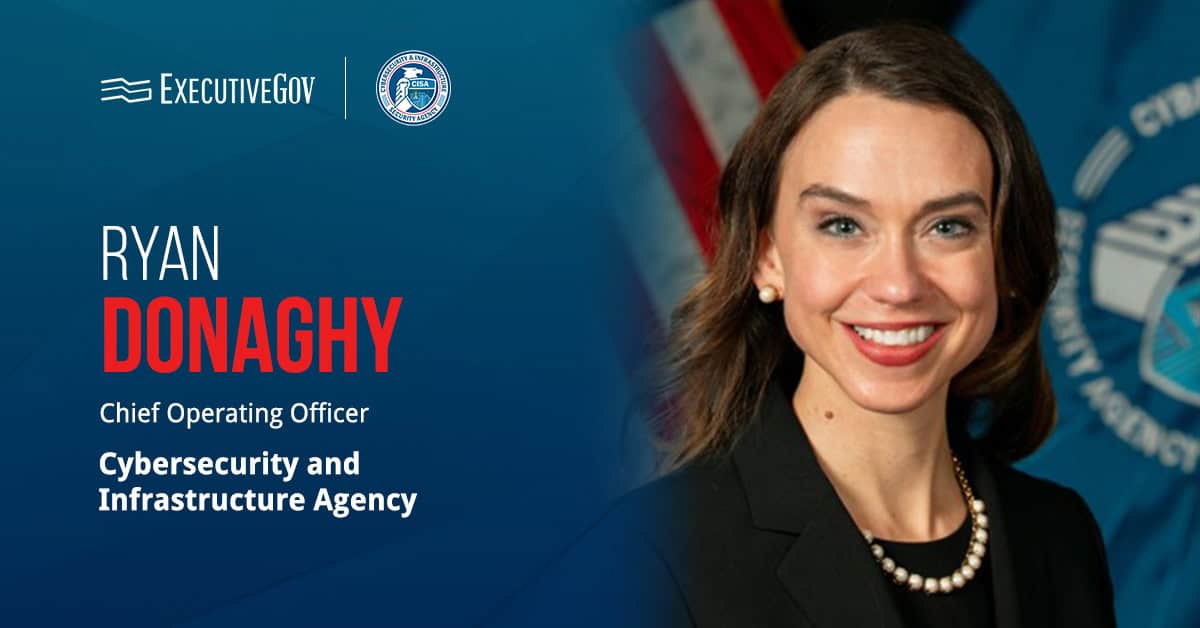
Ryan Donaghy - Chief Operating Officer
Ryan Donaghy, the Chief Operating Officer at CISA, directs the internal administrative functions and operational workflows necessary for national cybersecurity defense. Overseeing the agency's resource allocation, the Chief Operating Officer ensures that personnel and technology assets align with the mission of protecting critical infrastructure. Ryan Donaghy manages the integration of cross-departmental initiatives, facilitating seamless communication between technical teams and policy advisors. By optimizing internal processes, the Chief Operating Officer supports the agency's ability to respond to evolving digital threats across North American networks. This leadership role involves constant coordination with federal partners to maintain operational readiness. Through rigorous oversight of administrative performance, Donaghy strengthens the foundation of the agency. The Chief Operating Officer maintains a focus on efficiency, ensuring that every operational decision contributes to the long-term security and resilience of the nation's most vital systems.
Gbede Gabin - President
Gbede Gabin, the President at CISA, directs the overarching strategic vision and high-level policy initiatives for the agency. Overseeing the alignment of organizational goals with national security mandates, the President ensures that the agency remains the primary advisor for risk management across the federal government. Gbede Gabin fosters partnerships with international and domestic entities to enhance collective defense capabilities. By championing innovation in cybersecurity policy, the President drives the adoption of modern resilience standards. This leadership role involves frequent collaboration with executive branch officials to secure funding and legislative support for critical infrastructure projects. Through the promotion of a culture of vigilance, Gabin shapes the agency's response to global digital challenges. The President maintains a focus on long-term strategic growth, ensuring that the agency effectively anticipates and counters the evolving risks facing the nation's essential services and digital infrastructure.
Yong Loo - President
Yong Loo, the President at CISA, manages the execution of large-scale cybersecurity programs and the deployment of defensive technologies across the federal landscape. Overseeing the technical implementation of national security directives, the President ensures that infrastructure protection efforts remain at the forefront of technological advancement. Yong Loo coordinates with private sector leaders to establish secure information-sharing channels that mitigate systemic risks. By prioritizing the development of scalable security solutions, the President drives the modernization of critical infrastructure defenses. This role involves managing complex stakeholder relationships to ensure that security measures remain effective against sophisticated cyber actors. Through the oversight of technical performance metrics, Loo guarantees that the agency meets its mandate for national resilience. The President maintains a focus on operational excellence, ensuring that the agency's technical capabilities consistently outpace the threats targeting the nation's most essential digital and physical assets.
Blake Egerton - Division Deputy Chief of Staff, Infrastructure Security
Blake Egerton, the Division Deputy Chief of Staff, Infrastructure Security at CISA, architects the strategic framework for protecting physical and cyber assets against emerging threats. Overseeing the implementation of security protocols, the Division Deputy Chief of Staff, Infrastructure Security ensures that public and private sector partners receive actionable intelligence regarding infrastructure vulnerabilities. Blake Egerton coordinates with regional stakeholders to identify risks to energy, transportation, and communication grids. By synthesizing complex threat data, the Division Deputy Chief of Staff, Infrastructure Security drives the development of robust defense mechanisms. This role requires constant engagement with interagency boards to harmonize security standards across the country. Through the application of advanced risk assessment methodologies, Egerton bolsters the national posture against sophisticated adversaries. The Division Deputy Chief of Staff, Infrastructure Security maintains a commitment to proactive threat mitigation, ensuring that infrastructure remains resilient against both physical disruptions and digital intrusions.
Explore Leadership Teams in Federal


The Saudi Commission for Health Specialties provides a unified platform for training and professional development in the healthcare sector. It offers various services including training programs, professional registration, and support for healthcare practitioners and trainees. The intended clients include healthcare professionals, trainees, and educational institutions in Saudi Arabia. The organization aims to enhance the quality of healthcare through continuous education and collaboration among health specialties.
Company Leadership AA
MA
DA
AA

NADRA Pakistan, headquartered in Islamabad, and established in 1998, is an independent agency responsible for regulating government databases. They provide solutions for identification, e-governance, and secure documents that mitigate identity theft and safeguards the interests of all the national citizens of Pakistan.
Company Leadership RT
SA
MM
JJ

Software Technology Parks of India (STPI) is a premier S&T organization under Ministry of Electronics and Information Technology (MeitY) engaged in promoting IT/ITES Industry, innovation, R&D, start-ups, product/IP creation in the field of emerging technologies like IoT, Blockchain, Artificial Intelligence (AI), Machine Learning (ML), Computer Vision, Robotics, Robotics Process Automation (RPA), Augmented & Virtual Reality, Animation & Visual effect, Data Science & Analytics for various domains like Gaming, FinTech, Agritech, MedTech, Autonomous Connected Electric & Shared(ACES) Mobility, ESDM, Cyber Security, Industry 4.0, Drone, Efficiency Augmentation, etc.
Company Leadership OM
AK
SG
NM

Ministerio de Obras Pblicas is Chile's government department responsible for building and maintaining the country's infrastructure. They handle everything from highways and bridges to public transportation projects and water systems. Citizens can get help or ask questions by calling their main office at (+56 2) 24494000. The office is open Monday to Thursday from 9am to 5pm, and Friday from 9am to 4pm.
Company Leadership JM
GR
LG
CC

Frequently Asked Questions Regarding CISA Top Executives and Leadership Team
