
Leadership Overview
Snow College has 5 executives leading key functions including administrative operations, information technology, human resources, leadership strategy, and institutional governance.
Dedicated to fostering an inclusive educational environment, Snow College empowers students through comprehensive academic support, technology education, and community-focused programs that drive personal and professional success.
Dedicated to fostering an inclusive educational environment, Snow College empowers students through comprehensive academic support, technology education, and community-focused programs that drive personal and professional success.
Leadership Roles at Snow College
Katie Elison - President's Leadership Team
Katie Elison, the President's Leadership Team at Snow College, contributes to the development of long-term strategic initiatives that guide the institution. Participating in high-level decision-making processes, the President's Leadership Team evaluates academic programs and student services to ensure alignment with the college's core mission. Elison analyzes market trends and community needs to identify opportunities for institutional growth and expansion. By fostering collaboration across various departments, the President's Leadership Team promotes a unified approach to student success and community involvement. Katie Elison provides critical insights into the effectiveness of current policies, recommending adjustments that enhance the overall educational experience. This leadership role involves representing the college in broader academic discussions and ensuring that institutional values remain at the forefront of all strategic planning. Through active engagement with stakeholders, the President's Leadership Team supports the college's commitment to excellence and long-term sustainability.
Stacee McIff - President
Stacee McIff, the President at Snow College, provides the overarching vision and executive leadership for the entire academic institution. Overseeing all aspects of campus operations, the President drives the strategic direction necessary to maintain the college's reputation for academic and personal success. McIff engages with alumni, community partners, and government officials to secure resources and support for the institution's mission. By championing initiatives that prioritize student support and inclusive learning, the President ensures that the college remains responsive to the needs of a diverse student body. Stacee McIff leads the executive team in executing long-term goals, balancing fiscal responsibility with the pursuit of educational innovation. This leadership role involves setting the tone for campus culture and maintaining high standards of excellence across all departments. Through decisive action and visionary guidance, the President secures the future of the institution, fostering an environment where students thrive academically and personally.
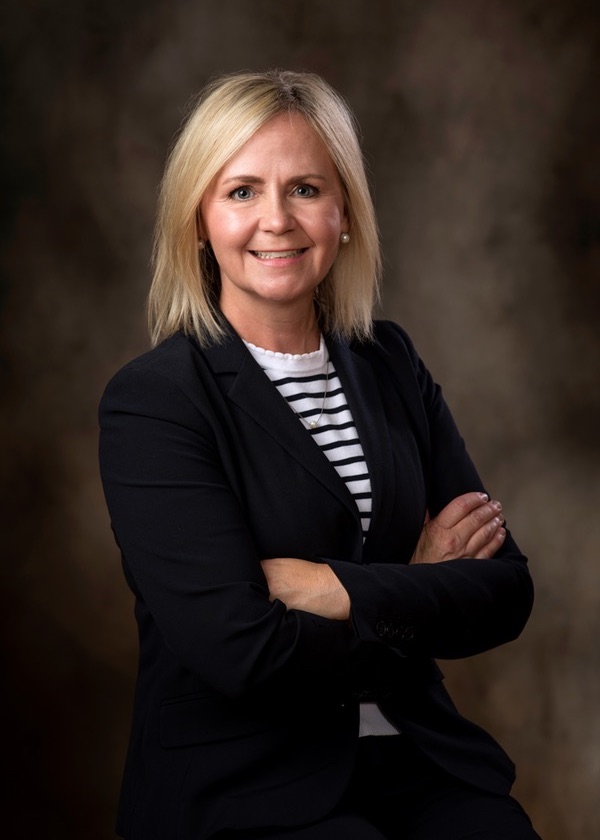
Marci Larsen - Chief of Staff
Marci Larsen, the Chief of Staff at Snow College, coordinates high-level administrative operations to ensure institutional efficiency. Managing the flow of communication between departments, the Chief of Staff aligns internal processes with the broader academic mission. Larsen facilitates strategic planning sessions, ensuring that all administrative functions support the diverse needs of students and faculty. By optimizing resource allocation and streamlining operational workflows, the Chief of Staff maintains the integrity of the college's academic environment. Marci Larsen monitors progress on key institutional goals, providing the necessary oversight to keep projects on schedule. This role requires constant collaboration with various campus leaders to address emerging challenges. Through meticulous attention to detail and proactive problem-solving, the Chief of Staff strengthens the operational foundation of the institution, ultimately fostering a more cohesive and effective educational experience for the entire campus community.
William Schuetz - Chief Information Officer
William Schuetz, the Chief Information Officer at Snow College, directs the technological infrastructure necessary for modern academic success. Overseeing the integration of digital tools into the classroom, the Chief Information Officer ensures that students and faculty possess reliable access to essential learning resources. Schuetz manages the security of institutional data, protecting sensitive information while promoting innovation in technology education programs. By architecting scalable network solutions, the Chief Information Officer supports the college's commitment to academic excellence. William Schuetz collaborates with administrative leaders to implement software systems that simplify admissions and financial aid processes. This leadership role involves evaluating emerging technologies to maintain a competitive edge in the education sector. Through the strategic deployment of digital assets, the Chief Information Officer enhances the overall efficiency of the institution, ensuring that technology remains a primary driver of student achievement and institutional growth.

Delvonie Kidder - Chief Human Resources Officer
Delvonie Kidder, the Chief Human Resources Officer at Snow College, manages the recruitment, retention, and professional development of the faculty and staff. Overseeing talent acquisition strategies, the Chief Human Resources Officer ensures that the institution attracts high-quality educators dedicated to student support. Kidder designs comprehensive training programs that align with the college's mission of fostering an inclusive environment. By implementing equitable compensation and benefits structures, the Chief Human Resources Officer maintains a motivated and stable workforce. Delvonie Kidder works closely with department heads to address staffing needs and promote a culture of continuous improvement. This leadership role involves navigating complex labor regulations while championing workplace diversity and inclusion initiatives. Through the effective management of human capital, the Chief Human Resources Officer directly impacts the quality of instruction and the overall success of the academic community, ensuring that the institution remains a premier destination for educators.
Explore Leadership Teams in Colleges & Universities


Founded in 1972 and located in Jacksonville, Florida, The University of North Florida (UNF) is a public university that offers a range of degree programs for both undergraduate and graduate students.
Company Leadership ER
AC
BN
SH

Founded in 1787 and headquartered in York, Pennsylvania, York College is a private college that offers more than fifty baccalaureate majors in professional programs, the sciences and humanities, and master's programs in business, education and nursing, and a doctorate in nursing practice.
Company Leadership JS
IG

ME

Southeastern University (SEU) is a Christ-centered institution of higher learning. Founded in 1935 and located in the Central Florida community of Lakeland, Southeastern offers more than 80 degree programs including bachelor's, master's and doctoral degrees. Southeastern's reach expands beyond the Lakeland campus, with a comprehensive online learning program and more than 100 extension site programs nationwide. The university is accredited by the Southern Association of Colleges and Schools Commission on Colleges.
Company Leadership PF
ND
CJ
PS

Seminole State College is a comprehensive community college established in 1931 that serves a diverse student population through a broad range of academic and career-focused programs. The institution offers general education and university-parallel coursework designed to prepare students for transfer to four-year institutions, alongside one- and two-year programs of collegiate-level technical and occupational education that equip individuals for direct workforce entry. Seminole State College also provides remedial and developmental education to support student success, formal and informal continuing education programs tailored to community needs, and special support services that enrich the overall educational experience. The college is committed to fostering an inclusive learning environment that values student agency and self-directed goal achievement, with institutional policies and procedures prioritized around measurable student impact. To maximize educational quality and accessibility, Seminole State College employs diverse teaching methodologies and technology-enabled delivery to serve students of varying backgrounds and experiences while maintaining partnerships with regional colleges, universities, and employers to enhance program quality and service breadth. The institution dedicates resources exclusively to high-quality offerings and operates an institutional research function to continuously improve operational efficiency and effectiveness. Guided by principles of professionalism, compassion, mutual respect, and integrity, Seminole State College positions itself as a catalyst for academic success, personal development, and lifelong learning within its service area, recognizing that student achievement remains the foremost consideration in all institutional decision-making and resource allocation.
Company Leadership SM
GH
LR
LR

Frequently Asked Questions Regarding Snow College Top Executives and Leadership Team
