
Leadership Overview
SMU has 10 executives leading key functions including strategy, operations, finance, technology, legal affairs, and communications.
Committed to academic excellence and research, SMU advances knowledge through teaching and service while preparing students for meaningful contributions to their communities and professions.
Leadership Roles at SMU
Pam Dyke - Chief Executive Officer & Managing Director
Pam Dyke, the Chief Executive Officer & Managing Director at SMU, directs the overarching strategic vision and operational framework of the institution. Overseeing the alignment of academic goals with long-term institutional sustainability, the Chief Executive Officer & Managing Director ensures that research initiatives remain competitive within the private nonprofit landscape. This leadership role involves coordinating with the Board to refine institutional priorities and drive growth across diverse academic disciplines. By fostering partnerships with external stakeholders, Pam Dyke strengthens the university's market position and expands the reach of professional education programs. The Chief Executive Officer & Managing Director maintains a focus on operational efficiency, ensuring that resources support the core mission of preparing students for leadership. Through rigorous oversight of administrative functions, Dyke secures the foundation for continued academic advancement and community impact.
Rachel Mulry - Chief Financial Officer & Interim Senior VP, Business & Finance
Rachel Mulry, the Chief Financial Officer & Interim Senior VP, Business & Finance at SMU, oversees the fiscal health and budgetary planning for the entire university. Managing the allocation of resources across undergraduate, graduate, and professional programs, the Chief Financial Officer & Interim Senior VP, Business & Finance ensures that financial strategies support the institution's research and teaching goals. This role involves rigorous oversight of financial reporting, endowment management, and operational expenditures to maintain long-term stability. By implementing robust fiscal policies, Rachel Mulry drives efficiency and transparency throughout the university's business operations. The Chief Financial Officer & Interim Senior VP, Business & Finance collaborates with other executive leaders to prioritize investments in academic infrastructure and student services. Through careful financial planning, Mulry secures the necessary capital to advance the university's mission and sustain its competitive position in the higher education sector.
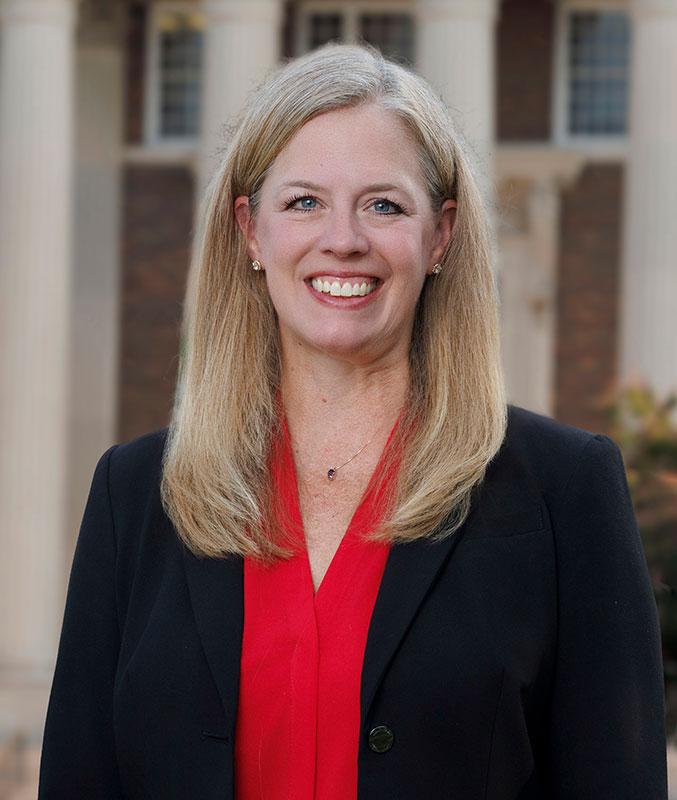
Jason Sharp - President
Jason Sharp, the President at SMU, provides the primary leadership and strategic direction for the entire university. Overseeing the advancement of the institution's research, teaching, and service missions, the President ensures that the university maintains its reputation for academic excellence. This role involves engaging with the Board, faculty, and external partners to define the long-term vision for growth and community impact. By championing the university's values, Jason Sharp drives initiatives that prepare students for leadership in their respective professions. The President manages the overall institutional culture and ensures that all departments work toward common goals of innovation and service. Through consistent advocacy and strategic oversight, Sharp secures the resources and partnerships necessary to sustain the university's position as a leading private research institution. This leadership role remains central to the university's ability to adapt to the evolving needs of the academic landscape.
Carolyn Morris - Advisory Board Member and President, Corporate Communications and Public Affairs
Carolyn Morris, the Advisory Board Member and President, Corporate Communications and Public Affairs at SMU, directs the university's external messaging and public relations strategy. Overseeing the communication of the institution's research achievements and academic contributions, the Advisory Board Member and President, Corporate Communications and Public Affairs ensures that the university's brand remains strong and influential. This role involves managing media relations, community outreach, and corporate partnerships to enhance the university's visibility. By crafting narratives that highlight the impact of the university's work, Carolyn Morris drives engagement with alumni, donors, and the broader public. The Advisory Board Member and President, Corporate Communications and Public Affairs collaborates with executive leadership to align communication efforts with the university's strategic goals. Through effective public affairs management, Morris strengthens the university's reputation and supports its mission of service and leadership in the community.
Sai Keerthana Mudhapaka - Analytics President, Operations
Sai Keerthana Mudhapaka, the Analytics President, Operations at SMU, directs the data-driven operational strategies that optimize university performance. Overseeing the collection and analysis of institutional data, the Analytics President, Operations ensures that decision-making processes are informed by accurate metrics and predictive modeling. This role involves identifying operational inefficiencies and implementing data-backed solutions to improve resource allocation across academic and administrative departments. By leveraging advanced analytics, Sai Keerthana Mudhapaka drives improvements in student success rates and operational productivity. The Analytics President, Operations collaborates with other executive leaders to integrate data insights into the university's long-term planning and strategic initiatives. Through the application of rigorous analytical methods, Mudhapaka enhances the university's ability to meet its research and educational goals. This leadership role remains essential for maintaining a competitive edge in the data-centric environment of modern higher education.
Andrew Keck - Chief of Staff
Andrew Keck, the Chief of Staff at SMU, manages the executive office operations and facilitates communication across the university leadership team. Coordinating complex projects that span multiple academic departments, the Chief of Staff ensures that institutional objectives receive consistent attention and resources. This role involves synthesizing data from various administrative units to support informed decision-making by the executive leadership. By streamlining internal processes, Andrew Keck enhances the efficiency of the university's governance structure. The Chief of Staff monitors the progress of key initiatives, ensuring that all departments remain aligned with the broader mission of research and service. Through proactive management of executive priorities, Keck facilitates a cohesive environment that supports the university's commitment to excellence. This position requires constant collaboration with senior administrators to maintain operational momentum and address emerging challenges within the higher education landscape.
Mona Horton - Interim Associate Chief Information Officer for Planning
Mona Horton, the Interim Associate Chief Information Officer for Planning at SMU, architects the strategic roadmap for information technology infrastructure and digital planning. Overseeing the integration of advanced computing resources into the academic environment, the Interim Associate Chief Information Officer for Planning ensures that technology supports the university's research and teaching objectives. This role involves analyzing current digital capabilities and identifying opportunities for technological expansion to enhance student and faculty productivity. By coordinating with IT leadership, Mona Horton drives the implementation of scalable systems that facilitate data-driven decision-making across the campus. The Interim Associate Chief Information Officer for Planning manages the planning phase for major digital initiatives, ensuring alignment with the university's long-term goals. Through meticulous oversight of technology planning, Horton strengthens the digital foundation required for modern academic excellence and operational efficiency within the institution.
Michael Hites - Chief Information Officer & Vice President, Information Technology
Michael Hites, the Chief Information Officer & Vice President, Information Technology at SMU, directs the comprehensive digital strategy and technology operations for the university. Overseeing the security, reliability, and innovation of campus-wide IT systems, the Chief Information Officer & Vice President, Information Technology ensures that the technological infrastructure supports high-level research and professional education. This role involves managing large-scale digital transformations and maintaining robust cybersecurity protocols to protect institutional data. By leading the IT department, Michael Hites drives the adoption of emerging technologies that enhance the learning experience and administrative workflows. The Chief Information Officer & Vice President, Information Technology collaborates with academic leaders to integrate digital tools into the curriculum and research projects. Through strategic investment in technology, Hites ensures that the university remains at the forefront of digital innovation while maintaining operational excellence across all departments.
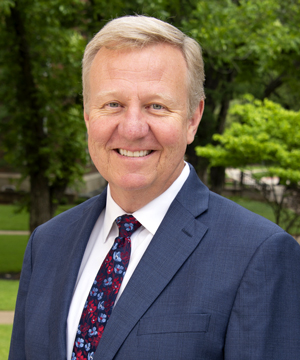
Christine Leatherberry - Administration Assistant Dean & Chief of Staff & Law Adjunct Professor
Christine Leatherberry, the Administration Assistant Dean & Chief of Staff & Law Adjunct Professor at SMU, coordinates administrative functions and academic support within the law school. Overseeing the daily operations and strategic planning for the faculty, the Administration Assistant Dean & Chief of Staff & Law Adjunct Professor ensures that academic programs align with the university's mission of professional education. This role involves managing internal communications, faculty relations, and the implementation of school-wide policies. By balancing administrative duties with teaching responsibilities, Christine Leatherberry provides a unique perspective on the intersection of academic theory and institutional management. The Administration Assistant Dean & Chief of Staff & Law Adjunct Professor facilitates collaboration between the law school and the broader university administration to enhance student outcomes. Through dedicated leadership, Leatherberry supports the development of future legal professionals while maintaining the high standards of the university's academic community.
Sophie Rohnke - General Counsel & Vice President, Legal Affairs & Government Relations
Sophie Rohnke, the General Counsel & Vice President, Legal Affairs & Government Relations at SMU, directs the legal strategy and government engagement efforts for the university. Overseeing compliance, risk management, and regulatory affairs, the General Counsel & Vice President, Legal Affairs & Government Relations ensures that all institutional activities adhere to legal standards while supporting the university's mission. This role involves managing relationships with government entities and advocating for policies that benefit the higher education sector. By providing legal guidance to the executive team, Sophie Rohnke mitigates institutional risk and facilitates the smooth execution of strategic initiatives. The General Counsel & Vice President, Legal Affairs & Government Relations coordinates with external counsel and internal stakeholders to address complex legal challenges. Through proactive legal and government relations management, Rohnke protects the university's interests and fosters a stable environment for academic and research growth.
Explore Leadership Teams in Colleges & Universities


The Department of Geography & Geographic Information Science, part of the School of Earth, Society & Environment at the University of Illinois Urbana-Champaign, is an academic and research organization headquartered in Urbana, Illinois. The department provides undergraduate and graduate programs, including a Master of Science and PhD, as well as online graduate certificates and degrees in CyberGIS and Geospatial Data Science. Its research focuses on geographic information science, river, watershed, and landscape dynamics, and space, society, and the built environment. The department serves students and researchers by utilizing geospatial technologies, NASA satellite missions, and artificial intelligence to address environmental and societal challenges.
Company Leadership HJ
MW
RP
JB

West Texas A&M University is a public regional research institution located in Canyon, Texas, dedicated to academic excellence, innovation, and student success. It offers a diverse range of undergraduate and graduate programs across disciplines such as business, agriculture, engineering, education, nursing, science, and the arts. The university emphasizes hands-on learning, research, professional development, and community engagement. Through supportive faculty, modern facilities, campus activities, online learning opportunities, and competitive athletics, it fosters an inclusive educational environment that prepares students for meaningful careers and leadership in their communities.
Company Leadership AN
BP
GB

Florida Polytechnic University offers undergraduate and graduate degrees in STEM fields, focusing on innovative problem-solving and high-tech professional training. The university features a state-of-the-art campus that supports project-based learning and is fully accredited. It aims to prepare its students for success in a robust job market, with a significant number of high-tech companies located nearby. Florida Poly fosters a vibrant community through student-led clubs and events, emphasizing collaboration, innovation, and academic excellence.
Company Leadership SW
CA
JM
CS

Maine Fire Service Institute is a training and certification organization headquartered in Brunswick, Maine. Operating as a department of Southern Maine Community College, the institute provides a full range of certification training for firefighters, fire service instructors, fire officers, and fire and life safety educators. Founded in 1958, the organization serves fire service professionals at the local, regional, and state levels across Maine. It delivers value through standardized education, National Fire Academy programs, and the provision of training props and equipment, such as car fire and sprinkler props. The institute also serves as the certification entity for all firefighter programs in the state.
Company Leadership DY
BO

Frequently Asked Questions Regarding SMU Top Executives and Leadership Team
