
Leadership Overview
PagerDuty has 4 executives leading key functions including technology development, financial strategy, revenue growth, and global field engineering.
Focused on real-time operations, PagerDuty delivers a robust platform that interprets software signals to engage teams instantly, ensuring continuous digital service reliability across global markets.
Focused on real-time operations, PagerDuty delivers a robust platform that interprets software signals to engage teams instantly, ensuring continuous digital service reliability across global markets.
Leadership Roles at PagerDuty
Eric Prengel - Chief Financial Officer
Eric Prengel, the Chief Financial Officer at PagerDuty, manages the fiscal health and long-term economic strategy for the organization. Prengel oversees capital allocation, financial planning, and investor relations to support the expansion of the real-time operations platform. By analyzing market trends, the Chief Financial Officer ensures that resource distribution aligns with the company mission of providing reliable digital service management. This leadership role involves rigorous oversight of operational budgets and the financial modeling of growth initiatives across North American and international markets. Eric Prengel drives profitability by identifying efficiencies within the software-as-a-service business model. Through the maintenance of transparent financial reporting, the Chief Financial Officer builds trust with stakeholders and the Board. Ultimately, Prengel secures the financial stability necessary for sustained innovation and market leadership.
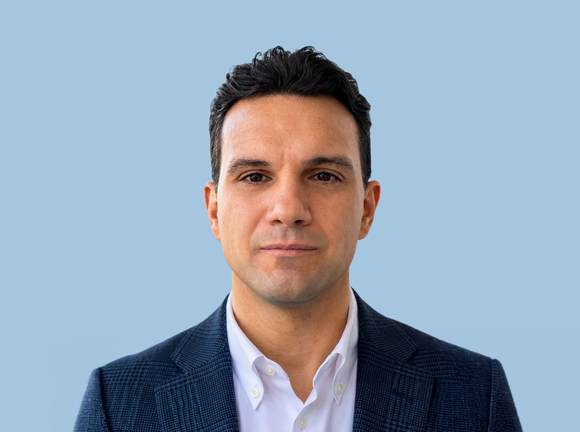
Tim Armandpour - Chief Technology Officer
Tim Armandpour, the Chief Technology Officer at PagerDuty, directs the engineering roadmap and technical architecture for the real-time operations platform. Armandpour oversees the development of signal correlation engines that identify critical software events across complex distributed systems. By managing the technical infrastructure, the Chief Technology Officer ensures high availability and scalability for enterprise clients. This leadership role involves constant collaboration with product teams to integrate new software-enabled device signals into the core platform. Tim Armandpour drives innovation by refining the algorithms that interpret system data, allowing teams to take immediate action during outages. Through the optimization of backend processes, the Chief Technology Officer maintains the competitive edge of the platform in the global software market. Ultimately, Armandpour secures the technical foundation required for reliable digital operations.
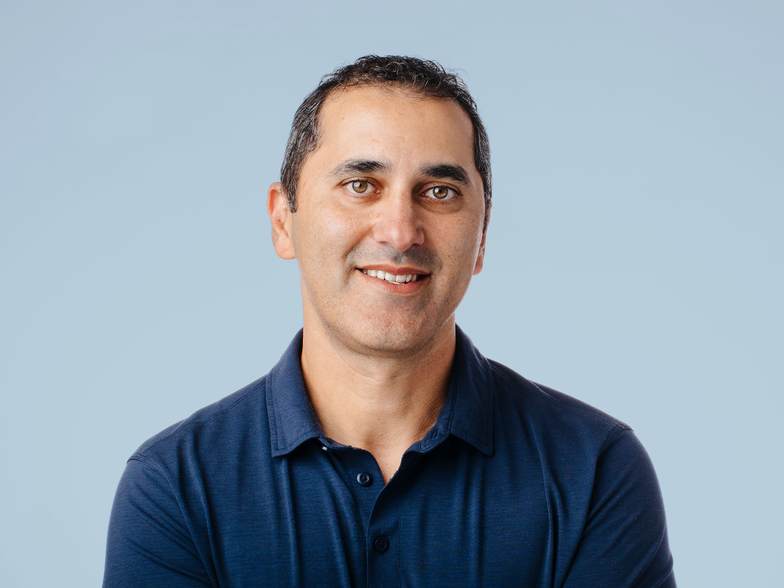
Todd McNabb - Chief Revenue Officer
Todd McNabb, the Chief Revenue Officer at PagerDuty, directs global sales strategies and customer acquisition efforts for the real-time operations platform. McNabb oversees the expansion of market share by connecting enterprise clients with solutions that correlate software signals and identify critical events. By managing the sales organization, the Chief Revenue Officer ensures consistent revenue growth and strong client retention across diverse industry sectors. This leadership role involves aligning sales objectives with product capabilities to demonstrate the value of real-time incident response. Todd McNabb drives market penetration by scaling the sales force to meet the demands of global digital transformation. Through the development of strategic partnerships, the Chief Revenue Officer expands the reach of the platform into new geographic territories. Ultimately, McNabb secures the commercial success required to support ongoing platform development.

Heath Newburn - Field Engineer and Global Field Chief Technology Officer
Heath Newburn, the Field Engineer and Global Field Chief Technology Officer at PagerDuty, architects technical solutions for complex client environments. Newburn oversees the practical application of the real-time operations platform, ensuring that software-enabled systems integrate seamlessly with the PagerDuty ecosystem. By engaging directly with field operations, the Field Engineer and Global Field Chief Technology Officer identifies unique customer requirements and translates these needs into actionable product feedback. This leadership role involves providing technical guidance to global teams to ensure consistent platform performance across various regional infrastructures. Heath Newburn drives the adoption of best practices for incident response and signal interpretation. Through the delivery of high-level technical support, the Field Engineer and Global Field Chief Technology Officer strengthens the relationship between the platform and the end-user. Ultimately, Newburn secures the operational effectiveness of the software in real-world scenarios.
Explore Leadership Teams in Software


Red Hat, the worlds leading provider of enterprise open source solutionsincluding Linux, cloud, container, and Kubernetes. They deliver hardened solutions that make it easier for enterprises to work across platforms and environments, from the core datacenter to the network edge.
Company Leadership QG
KG
CF

Rocket Software is the global technology leader and partner of choice empowering the world's leading businesses on their modernization journeys, spanning core systems to the cloud. Trusted by over 12,500 customers, 750 partners, and more than 3,000 employees around the world, Rocket Software empowers companies to maximize their data, applications, and infrastructure to deliver critical services that power our modern world. Rocket Software is a privately held U.S. corporation headquartered in the Boston area with centers of excellence strategically located throughout North America, Europe, Asia, and Australia. Rocket Software is a portfolio company of Bain Capital Private Equity.
Company Leadership HA
JD


Commvault (NASDAQ: CVLT) is a provider of data management software, solutions, and services. Commvault software and solutions include data backup and recovery, cloud data management, data virtualization, disaster recovery, security, and scale-out architecture and infrastructure. Commvault is headquartered in Tinton Falls, New Jersey.
Company Leadership CB

CM


Founded in 2015 and headquartered in San Francisco, California, Coralogix is a data management company. Coralogix helps smaller companies with production problems.
Company Leadership

RG


Frequently Asked Questions Regarding PagerDuty Top Executives and Leadership Team

Unlock more people and company data
