
Leadership Overview
IRS has 10 executives leading key functions including strategic oversight, operational management, information technology, and financial administration.
Committed to federal revenue collection and tax compliance, IRS maintains a robust framework for managing national fiscal operations and ensuring the integrity of the United States tax system.
Committed to federal revenue collection and tax compliance, IRS maintains a robust framework for managing national fiscal operations and ensuring the integrity of the United States tax system.
Leadership Roles at IRS
Frank Bisignano - Chief Executive Officer
Frank Bisignano, the Chief Executive Officer at IRS, directs the overarching strategic vision for federal revenue collection. Bisignano manages the complex administrative requirements of the agency while ensuring alignment with Department of the Treasury mandates. By overseeing national tax compliance initiatives, the Chief Executive Officer drives efficiency across all internal bureaus. This leadership role involves constant coordination with federal stakeholders to maintain fiscal stability. Frank Bisignano prioritizes the modernization of revenue systems to improve taxpayer services and streamline government processes. Through rigorous oversight of agency-wide performance metrics, the Chief Executive Officer secures the operational effectiveness of the entire organization. The executive maintains a focus on long-term sustainability, ensuring that the agency meets its core mission of supporting the United States federal government through consistent and transparent revenue administration.
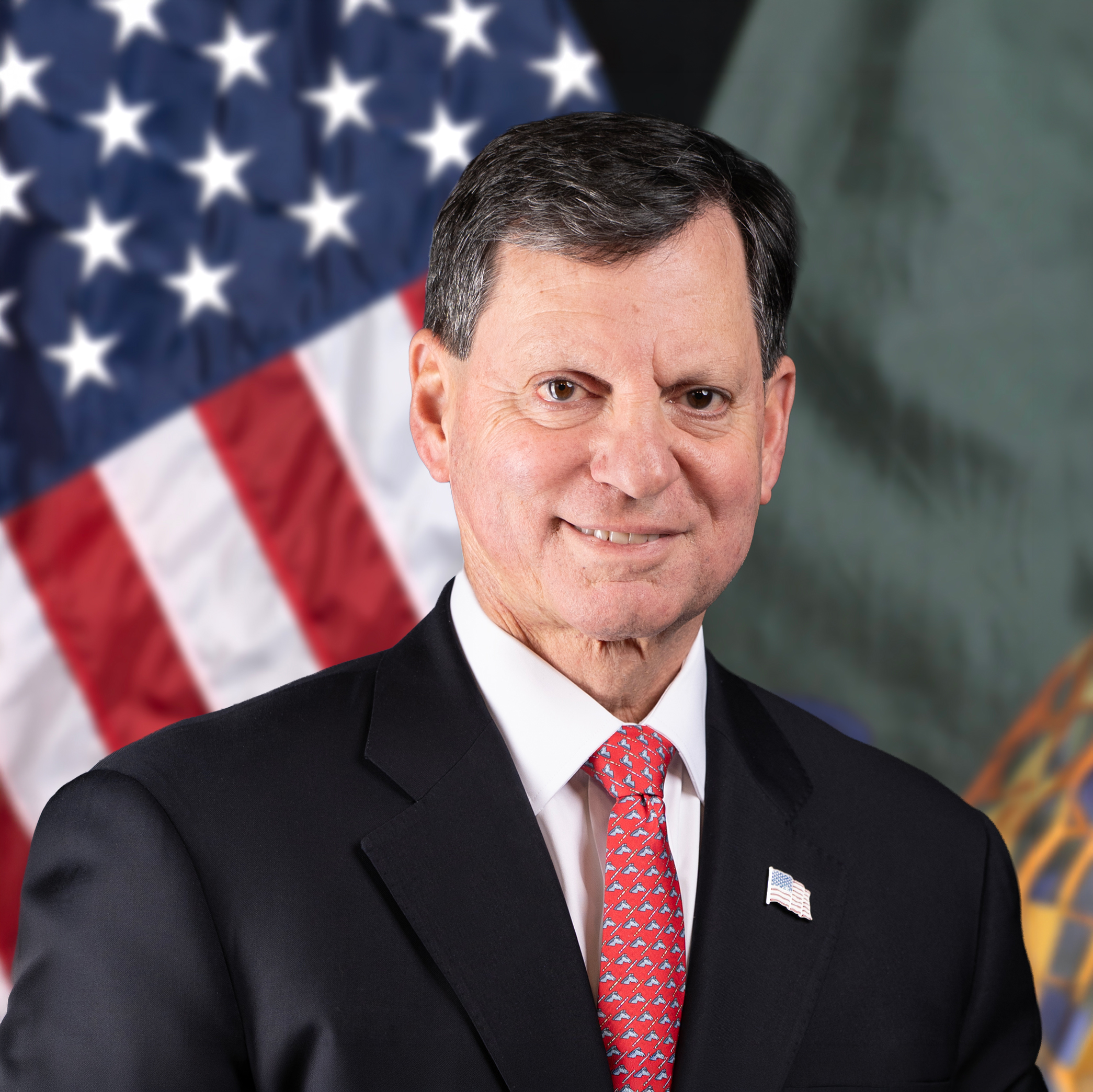
Veronica Ovalles-Taveras - Managing Partner & Chief Executive Officer
Veronica Ovalles-Taveras, the Managing Partner & Chief Executive Officer at IRS, architects the collaborative partnerships necessary for large-scale federal tax administration. Ovalles-Taveras manages external stakeholder relations and internal operational workflows to ensure seamless revenue processing. By driving cross-departmental initiatives, the Managing Partner & Chief Executive Officer optimizes the delivery of essential government services. This leadership role requires balancing complex regulatory demands with the need for agile, responsive administrative systems. Veronica Ovalles-Taveras executes high-level strategies that enhance the agency's capacity to handle national fiscal volume. Through the integration of advanced management practices, the Managing Partner & Chief Executive Officer strengthens the organizational structure. The executive focuses on fostering a culture of accountability and precision, ensuring that every administrative action supports the broader goal of maintaining the financial health of the United States federal government.
Frances Tapia - Branch Chief Executive Officer Secretariat
Frances Tapia, the Branch Chief Executive Officer Secretariat at IRS, manages the critical communication channels and administrative support systems for the executive leadership team. Tapia coordinates the flow of information between the Commissioner and various internal bureaus to ensure rapid decision-making. By overseeing the secretariat functions, the Branch Chief Executive Officer Secretariat maintains the operational continuity of the agency's highest office. This leadership role involves managing sensitive documentation and facilitating high-level meetings that define national tax policy implementation. Frances Tapia drives the administrative efficiency of the secretariat, ensuring that executive directives reach the appropriate departments without delay. Through meticulous organization and oversight, the Branch Chief Executive Officer Secretariat supports the agency's mission of effective revenue collection. The executive ensures that all internal processes remain aligned with the strategic goals established by the Department of the Treasury.
Michael Weber - Senior Chief Financial Officer, Accountant , Office of
Michael Weber, the Senior Chief Financial Officer, Accountant , Office of at IRS, directs the financial reporting and accounting standards for the agency. Weber manages the internal audit processes and ensures compliance with federal fiscal regulations. By overseeing the financial integrity of the organization, the Senior Chief Financial Officer, Accountant , Office of provides the transparency required for government revenue operations. This leadership role involves managing complex budgetary allocations and ensuring that all accounting practices meet the rigorous standards of the Department of the Treasury. Michael Weber drives the accuracy of financial statements, supporting the agency's mission through precise fiscal management. Through the implementation of advanced accounting controls, the Senior Chief Financial Officer, Accountant , Office of mitigates financial risk and ensures the responsible use of public funds. The executive maintains a focus on fiscal accountability, ensuring that all financial activities support the broader goals of the federal government.
Alan P. - Acting Deputy Chief Operating Officer
Alan P., the Acting Deputy Chief Operating Officer at IRS, directs the day-to-day operational activities across the agency's various bureaus. P. manages the implementation of operational policies and ensures that service delivery remains consistent across all regions. By overseeing the execution of core business processes, the Acting Deputy Chief Operating Officer drives the efficiency of tax collection and taxpayer support services. This leadership role involves managing the logistics of large-scale operations and ensuring that resources are deployed effectively. Alan P. executes strategies that improve the responsiveness of the agency to taxpayer needs. Through the oversight of operational performance, the Acting Deputy Chief Operating Officer ensures that the agency meets its federal mandates. The executive focuses on streamlining internal workflows, ensuring that all operational activities support the mission of the United States federal government through reliable and effective service delivery.
Mia Sylve - Chief of Staff
Mia Sylve, the Chief of Staff at IRS, directs the daily operations and strategic priorities of the Commissioner's office. Sylve manages the integration of various departmental goals to ensure a unified approach to federal tax administration. By overseeing the implementation of agency-wide initiatives, the Chief of Staff ensures that all operational units remain focused on core revenue objectives. This leadership role involves managing complex internal projects and facilitating communication across the entire organization. Mia Sylve drives the execution of strategic plans, ensuring that resources are allocated effectively to meet federal mandates. Through the coordination of executive activities, the Chief of Staff maintains the momentum of critical tax compliance programs. The executive plays a central role in aligning the agency's internal culture with the mission of the Department of the Treasury, ensuring consistent performance across all levels of the federal government.
Terrence Lutes - Associate Chief Information Officer
Terrence Lutes, the Associate Chief Information Officer at IRS, architects the secure digital infrastructure required for processing national tax data. Lutes manages the deployment of large-scale information systems that support revenue collection and taxpayer services. By overseeing the technical architecture, the Associate Chief Information Officer ensures the integrity and security of federal financial records. This leadership role involves constant innovation in data management to handle the massive volume of information processed by the agency. Terrence Lutes drives the modernization of legacy systems, ensuring that the technology stack remains resilient against emerging threats. Through the implementation of robust cybersecurity protocols, the Associate Chief Information Officer protects the sensitive data of the United States federal government. The executive focuses on enhancing system performance and reliability, ensuring that all digital tools effectively support the agency's mission of efficient and accurate tax administration.
Tracy DeLeon - Associate Chief Information Officer, Strategy & Planning
Tracy DeLeon, the Associate Chief Information Officer, Strategy & Planning at IRS, architects the long-term technological roadmap for the agency. DeLeon manages the strategic planning process for IT investments, ensuring that digital capabilities align with future revenue collection needs. By overseeing the planning phase of technology projects, the Associate Chief Information Officer, Strategy & Planning ensures that the agency remains prepared for evolving federal requirements. This leadership role involves analyzing market trends and internal needs to prioritize digital transformation efforts. Tracy DeLeon drives the development of scalable IT solutions that improve the efficiency of tax processing. Through the alignment of technology strategy with organizational goals, the Associate Chief Information Officer, Strategy & Planning supports the agency's mission of modernizing federal tax administration. The executive focuses on creating a sustainable digital future, ensuring that all technological investments provide long-term value to the United States federal government.
Risa Kornegay - Deputy Chief of Staff & Office of The Commissioner
Risa Kornegay, the Deputy Chief of Staff & Office of The Commissioner at IRS, manages the administrative support and operational coordination for the Commissioner's office. Kornegay facilitates the execution of high-level directives and ensures that the office functions efficiently. By overseeing the daily operations of the Commissioner's staff, the Deputy Chief of Staff & Office of The Commissioner maintains the focus on critical agency priorities. This leadership role involves managing complex schedules, communications, and internal workflows that support the agency's mission. Risa Kornegay drives the alignment of staff activities with the strategic goals of the Department of the Treasury. Through the coordination of executive support, the Deputy Chief of Staff & Office of The Commissioner ensures that the leadership team remains effective in managing national tax operations. The executive focuses on operational excellence, ensuring that the office provides the necessary support for the agency's success.
Rekisha White - Human Capital Chief of Staff
Rekisha White, the Human Capital Chief of Staff at IRS, directs the strategic management of the agency's workforce. White manages the recruitment, development, and retention of the personnel necessary to support federal tax administration. By overseeing human capital initiatives, the Human Capital Chief of Staff ensures that the agency maintains a skilled and motivated workforce. This leadership role involves aligning workforce capabilities with the evolving needs of the organization. Rekisha White drives the implementation of talent management programs that support the agency's mission. Through the coordination of human resources strategies, the Human Capital Chief of Staff ensures that the agency has the expertise required to handle complex tax compliance tasks. The executive focuses on fostering a high-performance culture, ensuring that all personnel activities support the broader goals of the Department of the Treasury and the United States federal government.
Explore Leadership Teams in Federal


The U.S. Department of Veterans Affairs (VA) is a Cabinet-level federal agency headquartered in Washington, D.C., dedicated to serving the needs of the nation's military veterans, their families, caregivers, and survivors. The VA fulfills its mission through three primary component agencies: the Veterans Health Administration (VHA), the Veterans Benefits Administration (VBA), and the National Cemetery Administration (NCA). The VHA operates one of the largest integrated health care networks in the United States, providing comprehensive medical services including surgery, mental health care, specialty care, and telehealth. The VBA administers a broad range of non-medical benefits, including disability compensation, education and vocational rehabilitation assistance, home loan guaranty programs, and life insurance. The NCA oversees national cemeteries and memorial services honoring veterans and their families. Together, these divisions support millions of veterans annually across hundreds of facilities nationwide.
Company Leadership WP
JJ
RD
SB

The Architect of the Capitol is dedicated to preserving and maintaining the historic buildings, monuments, art, and grounds of the Capitol campus, which spans over 18.4 million square feet and 570 acres. Their team consists of artisans, historians, and craftspeople who ensure that every visitor experiences the grandeur of these historic treasures. They are responsible for the care of thousands of works of historical art and apply both modern techniques and historical tradecrafts in their preservation efforts. Their mission is to serve, preserve, and inspire the nation through their work.
Company Leadership FO
SJ
LB

Founded in 1971, Statistics Canada's mission is to serve Canada with high-quality statistical information that matters. The Agency produces statistics that help Canadians better understand their country-its economy, society and environment. Objective statistical information is vital to an open and democratic society. It provides a solid foundation for informed decisions by elected representatives, businesses, unions and non-profit organizations, as well as individual Canadians.
Company Leadership PM
KH
MK
JM

The Agricultural Extension Department of Bangladesh focuses on providing agricultural services and information to farmers and agricultural organizations. They aim to enhance agricultural productivity and sustainability through various programs and initiatives. Their intended clients include farmers, agricultural institutions, and government bodies involved in agricultural development. The department also engages in research and development to address agricultural challenges and improve crop production.
Company Leadership RA
MD
MU

Frequently Asked Questions Regarding IRS Top Executives and Leadership Team

Unlock more people and company data
