
Leadership Overview
Fuller Seminary has 5 executives leading key functions including financial oversight, information technology, institutional strategy, regional academic leadership, and presidential administration.
Committed to rigorous academic excellence and spiritual formation, Fuller Seminary empowers diverse Christian leaders through advanced theological, psychological, and counseling education programs.
Committed to rigorous academic excellence and spiritual formation, Fuller Seminary empowers diverse Christian leaders through advanced theological, psychological, and counseling education programs.
Leadership Roles at Fuller Seminary
Raymond Asad - Chief Financial Officer
Raymond Asad, the Chief Financial Officer at Fuller Seminary, directs all fiscal operations and long-term economic planning for the institution. Managing the seminary's endowment and annual operating budgets, the Chief Financial Officer ensures the financial sustainability of graduate programs in theology and psychology. Raymond Asad oversees the allocation of resources across various departments, supporting the mission of training ministers and mental health professionals. By implementing robust financial controls and reporting standards, the Chief Financial Officer maintains institutional integrity and transparency. This leadership role involves collaborating with the Board to align fiscal strategies with the broader educational goals of the seminary. Through careful management of assets and revenue streams, Asad secures the necessary funding for faculty research and student support services. Ultimately, the Chief Financial Officer drives the economic health required to sustain the seminary's impact on global Christian leadership.
Mark Labberton - President
Mark Labberton, the President at Fuller Seminary, provides executive leadership for the institution's mission of theological and psychological education. Directing the strategic vision of the seminary, the President oversees the alignment of academic programs with the needs of Christian leaders and mental health professionals. Mark Labberton engages with the Board and faculty to advance the seminary's reputation for excellence in intercultural and ministerial training. By fostering partnerships with diverse denominations and organizations, the President expands the reach of the institution's educational impact. This leadership role involves championing the integration of academic study and spiritual formation across all graduate and doctoral programs. Through consistent advocacy for the seminary's values, Labberton ensures the institution remains a leader in higher education. Ultimately, the President guides the long-term growth and development of the seminary to meet the evolving challenges of the modern world.

Joy Jamison - Fuller Arizona Graduate Union President
Joy Jamison, the Fuller Arizona Graduate Union President at Fuller Seminary, leads regional initiatives focused on student engagement and academic community building. Overseeing the representation of graduate students within the Arizona campus, the Fuller Arizona Graduate Union President ensures that student needs and feedback inform institutional decision-making. Joy Jamison coordinates events and programs that foster spiritual growth and professional development among the student body. By facilitating communication between the student population and the administration, the Fuller Arizona Graduate Union President strengthens the overall educational experience. This leadership role involves organizing collaborative efforts that support the seminary's mission of vocational preparation and intercultural engagement. Through active participation in campus governance, Jamison promotes a vibrant and inclusive environment for all learners. Ultimately, the Fuller Arizona Graduate Union President drives student success by cultivating a supportive community that aligns with the seminary's core values.
David Goatley - President
David Goatley, the President at Fuller Seminary, spearheads the institutional commitment to global mission and theological education. Directing the academic and administrative functions of the seminary, the President ensures that degree programs effectively prepare students for diverse vocational callings. David Goatley oversees the development of curricula that integrate rigorous academic study with practical ministry and counseling skills. By fostering an environment of intercultural engagement, the President supports the seminary's goal of training leaders for a global context. This leadership role involves collaborating with faculty and staff to maintain high standards of excellence in graduate and doctoral education. Through strategic planning and community outreach, Goatley enhances the seminary's influence in the fields of theology and psychology. Ultimately, the President drives the mission of the institution by equipping scholars and ministers to serve effectively in their respective communities and professional fields.
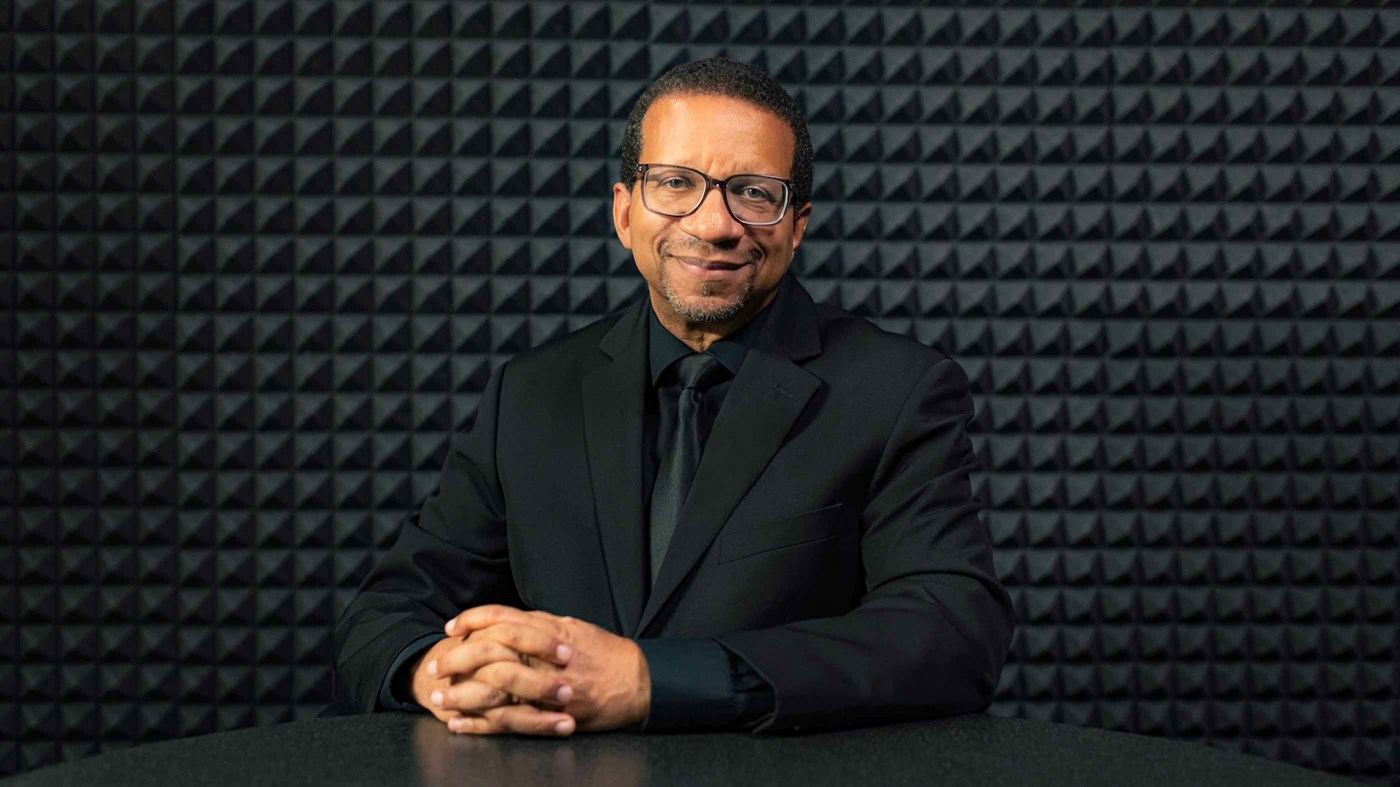
Jeffrey Harwell - Chief Information Officer
Jeffrey Harwell, the Chief Information Officer at Fuller Seminary, architects the digital infrastructure supporting advanced theological and psychological education. Overseeing the integration of academic technology and administrative systems, the Chief Information Officer ensures seamless connectivity for students and faculty across diverse learning environments. Jeffrey Harwell manages cybersecurity protocols and data management strategies to protect sensitive institutional information. By modernizing the technological framework, the Chief Information Officer facilitates efficient delivery of online and hybrid degree programs. This leadership role involves coordinating with academic departments to implement innovative digital tools that enhance spiritual formation and vocational preparation. Through the deployment of scalable network solutions, Harwell supports the seminary's commitment to accessible higher education. Ultimately, the Chief Information Officer optimizes the technological landscape to foster effective communication and collaboration within the global community of scholars and ministers.
Explore Leadership Teams in Colleges & Universities


Baylor College of Medicine is a premier academic medical institution located in Houston, Texas, offering a wide range of healthcare services including specialties in cardiovascular care, oncology, and primary care. The college also provides educational programs for health professionals, including M.D. and Ph.D. programs, as well as advanced training and residency opportunities. In addition to patient care, Baylor is heavily involved in research and community outreach, focusing on innovative solutions to improve health locally and globally. Their intended clients include patients seeking specialized medical care, health professionals looking for education and training, and researchers in the biomedical field.
Company Leadership
PK
ZS

UMass Boston offers on-campus and off-campus housing options, catering primarily to its student body, which consists of over 90% commuters. The modern residence halls provide a vibrant community atmosphere with amenities such as ocean views and lounges for studying and socializing. Dining services include a variety of meal plans and numerous dining locations, ensuring students have access to diverse food options. The university also supports students in finding off-campus housing and navigating the vibrant city of Boston.
Company Leadership TH
MS
AT

The Commons is a student computing and collaboration hub located on the St. John's campus of Memorial University of Newfoundland. Situated on the main floor of the QEII Library, the facility provides students with technical resources, support, and training to assist in academic success. Services include LabNet computer access, black and white and colour printing, scanning, photocopying, and secure device charging lockers. The hub offers peer technology support via a Computing Support Desk and provides one-on-one tutoring in Adobe programs, assistive technology, and MS Office.
Company Leadership AH
VT
AT

Established in 1969, The University of Illinois at Springfield is a public university in Springfield, Illinois. The University of Illinois at Springfield offers undergraduate programs, master's programs, and a doctorate in Public Administration.
Company Leadership MF
CS
GD
HW

Frequently Asked Questions Regarding Fuller Seminary Top Executives and Leadership Team

Unlock more people and company data
